Introduction
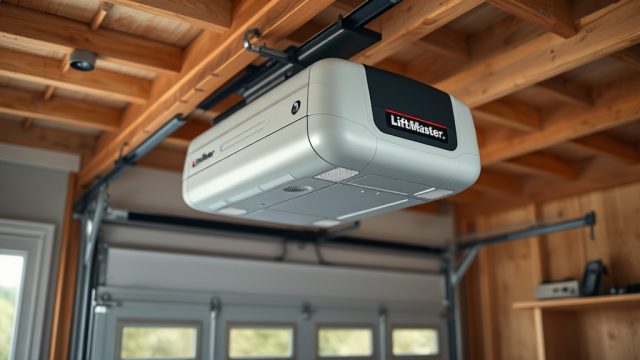
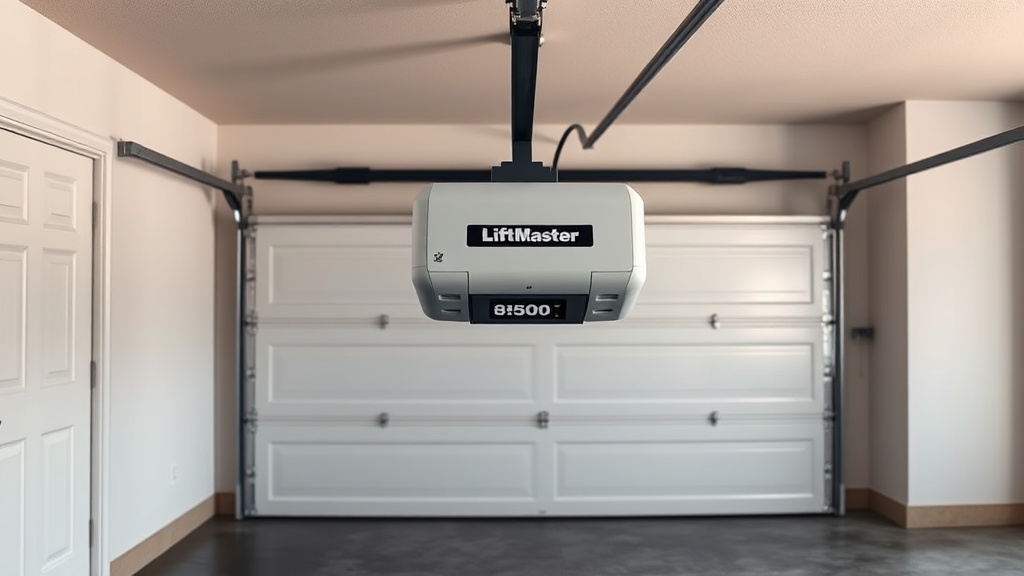
The LiftMaster 8500 is a popular wall-mounted garage door opener known for its space-saving design and quiet operation. However, like any mechanical device, it is not immune to performance issues, with motor overheating being a common concern among homeowners. This article provides a comprehensive troubleshooting guide focused on error codes and root causes associated with the LiftMaster 8500 opener motor overheating, helping you diagnose and resolve the problem efficiently.
What Causes the LiftMaster 8500 Motor to Overheat?
Motor overheating in the LiftMaster 8500 typically stems from a combination of mechanical strain, electrical faults, or environmental factors. Common triggers include excessive duty cycles, voltage irregularities, capacitor failure, and obstructions that force the motor to work harder. Understanding these causes is the first step toward effective troubleshooting.
- Extended operation: Running the opener multiple times in quick succession without cooldown periods can exceed the motor’s thermal limits.
- Voltage fluctuations: Inconsistent power supply or undersized wiring can cause the motor to draw more current, generating excess heat.
- Capacitor degradation: A faulty start or run capacitor reduces motor efficiency, leading to overheating as discussed in our capacitor replacement guide.
- Mechanical binding: Misaligned tracks, worn rollers, or tight door springs increase resistance, overheating the motor.
- Insufficient ventilation: Installing the unit in a cramped or enclosed space restricts airflow around the motor housing.
How Do Error Codes Indicate Motor Overheating on a LiftMaster 8500?
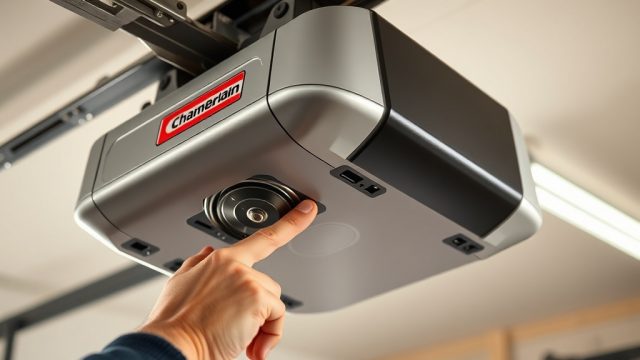
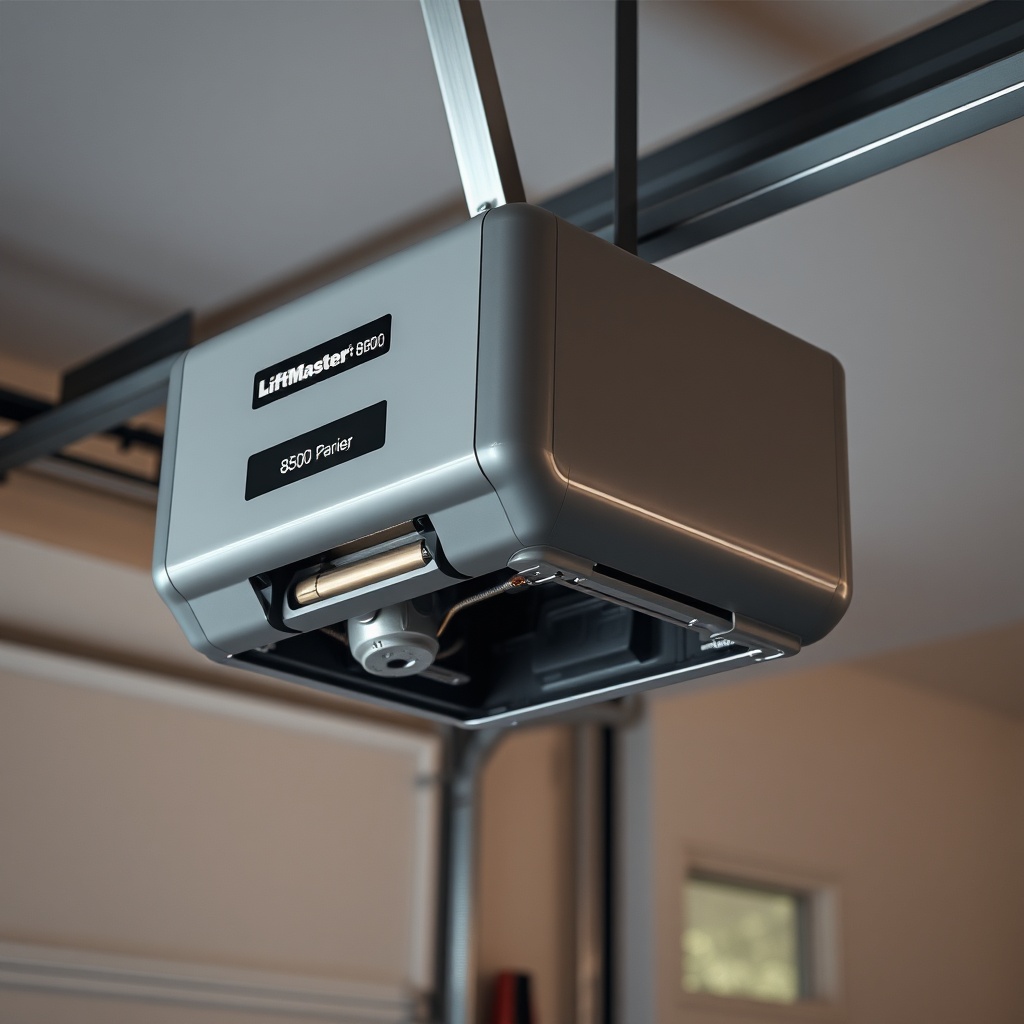
The LiftMaster 8500 has a built-in diagnostic system that flashes error codes via the up/down arrow buttons or the LED display. When motor overheating occurs, you may encounter specific error codes that help pinpoint the issue. Below is a table summarising common codes and their meanings.
| Error Code | Indication | Severity Level | Common Action |
|---|---|---|---|
| 1-5 (one flash, five pauses) | Motor thermal overload – unit has shut down to cool | High | Wait 15-20 minutes before retesting; check for obstructions |
| 2-3 (two flashes, three pauses) | Excessive motor current draw | High | Inspect door balance and track alignment |
| 3-1 (three flashes, one pause) | Stall detected – motor unable to complete travel | Critical | Manually check door movement; lubricate hardware |
| 4-2 (four flashes, two pauses) | Capacitor failure or shorted motor winding | Critical | Test/replace capacitor; inspect wiring |
| 5-0 (five flashes, constant) | Speed sensor or RPM signal loss | High | Clean sensor; verify motor drive assembly |
If the opener emits a distinct “click” followed by a pause and error flashes, it has likely entered thermal shutdown. Note the sequence and consult the table above before proceeding with diagnostics.
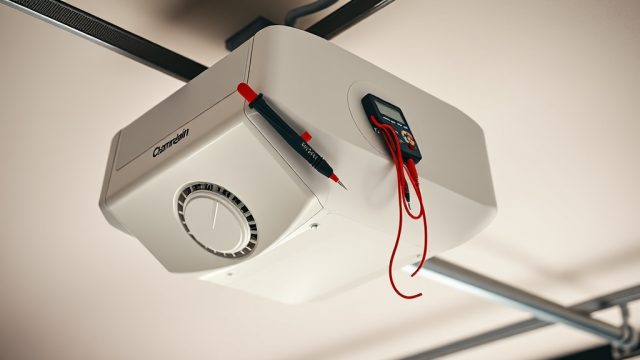
How to Check if the LiftMaster 8500 Motor Capacitor Is Causing Overheating
A failing capacitor is a leading electrical cause of motor overheating in the LiftMaster 8500. The capacitor provides the necessary torque to start the motor and maintain smooth operation. When it deteriorates, the motor draws higher amperage and runs hotter than normal. To verify capacitor health, follow these steps:
- Visual inspection: Look for bulging, leaking fluid, or a burnt smell near the capacitor (usually housed in a metal or plastic casing near the motor).
- Multimeter test: Use a digital multimeter set to capacitance mode on a fully discharged capacitor. The reading should be within ±5% of the rated value (typically 45–55 µF for the run capacitor). If outside this range, replacement is needed. See our DIY capacitor testing tutorial for detailed instructions.
- Observe error code: Code 4-2 specifically points to capacitor issues. If this code appears alongside overheating symptoms, prioritise capacitor replacement.
A bad capacitor can also cause erratic motor behaviour such as humming without turning, which increases heat buildup. Replacing it with a genuine LiftMaster part (available for around £20–£35) often resolves overheating problems.
How to Troubleshoot Overheating Related to Drive Coupling and Belt Issues
Mechanical components like the drive coupling and belt play a crucial role in motor efficiency. A worn drive coupling can cause the motor to slip, forcing it to work longer and harder to move the door. Similarly, belt slippage creates excess friction and heat. To troubleshoot:
- Listen for sounds: A grinding or chattering noise during operation often indicates coupling wear. A squealing sound may signal belt slippage.
- Inspect the drive coupling: Remove the motor cover and examine the coupling (a plastic or rubber component connecting the motor shaft to the drive mechanism). Cracks, missing teeth, or melting are signs of failure. Our drive coupling replacement guide offers step-by-step instructions.
- Check belt tension: A loose belt can slip on the pulleys, increasing motor load. With the power off, press down on the belt near the centre – it should have about ½ inch of give. Adjust tension using the idler pulley bolt.
- Rule out belt slippage: If the door moves unevenly or stops mid-travel, follow our belt slippage diagnosis guide for a thorough check.
Replacing a faulty drive coupling kit (approximately £15–£25) or a belt (£30–£50) can restore smooth operation and reduce motor overheating risk.
How to Test Safety Sensors When Overheating Occurs
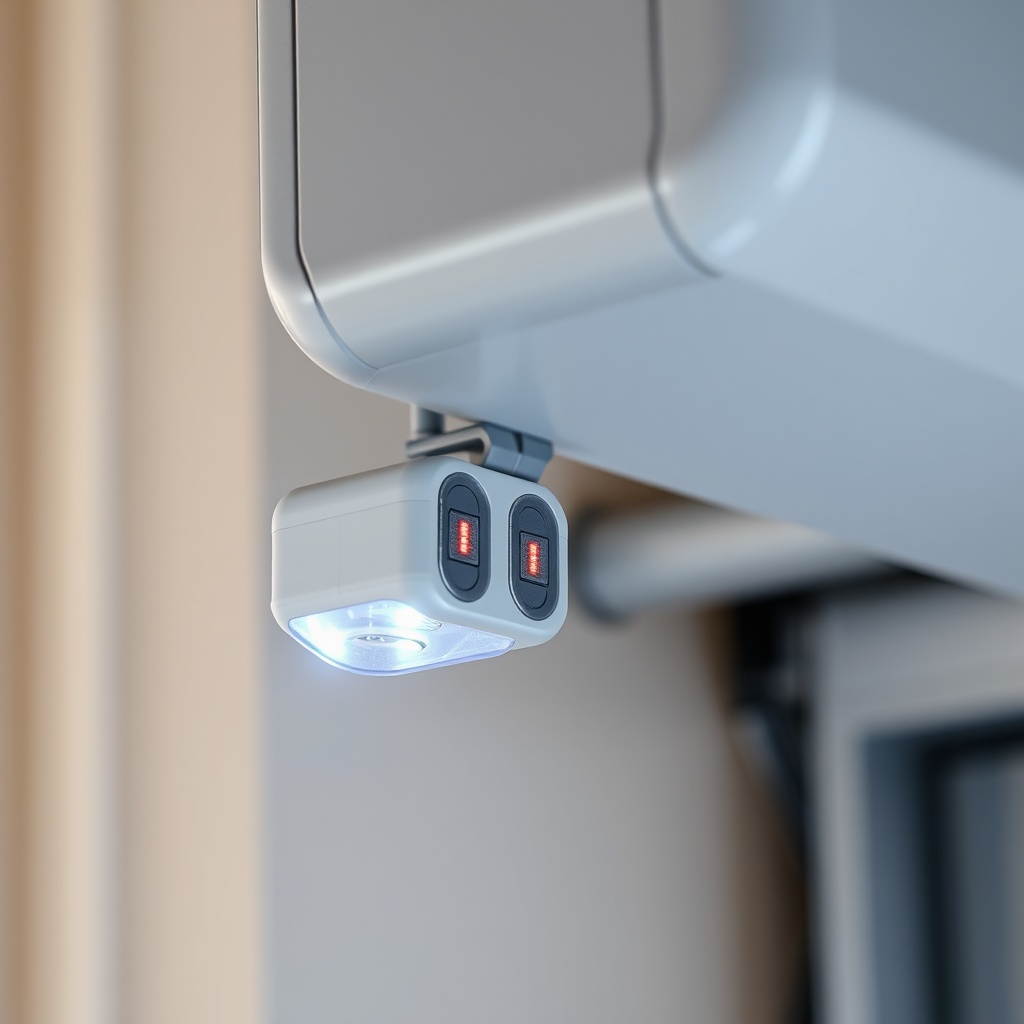
Though safety sensors are not a direct cause of motor overheating, misaligned or defective sensors can cause the opener to reverse or restart repeatedly, increasing the motor duty cycle and thermal stress. The LiftMaster 8500 uses safety sensors mounted near the floor, emitting infrared beams. To test:
- Check sensor alignment: Both sensors should face each other exactly. The LED on each sensor should be solid green (or amber) when correctly aligned. A blinking LED indicates misalignment.
- Clean lenses: Dust, cobwebs, or dirt can block the beam. Wipe lenses with a soft, dry cloth.
- Inspect wiring: Secure connections at the opener and sensor terminals. Damaged wires can cause intermittent signals, forcing motor restarts.
- Simulate a blockage: Hold an object in the beam path while closing the door. The door should reverse immediately. If it doesn’t, sensors may need replacement as detailed in our safety sensor replacement guide.
Correcting sensor issues reduces unnecessary motor cycling, helping maintain a cooler operating temperature.
What Owners Say About LiftMaster 8500 Overheating Issues
User feedback on forums and product review sites provides real-world insight into overheating problems with the LiftMaster 8500. Many owners report that the issue surfaces during summer months or after heavy use, such as repeated opening and closing for home projects or garage sales. Commonly shared experiences include:
- Error code 1-5 appearing: Several users mention that after moving heavy items or using the opener continuously, the unit shuts down with this code. Allowing a 20-minute cooldown typically resets it, though some found the problem recurring.
- Capacitor replacement success: A notable number of owners resolved persistent overheating by swapping the run capacitor, especially if the unit was 5–7 years old. One user noted that a new capacitor for £25 eliminated the issue entirely.
- Voltage checks helpful: After upgrading to a dedicated 20-amp circuit, some owners saw a reduction in overheating events. Others used a voltmeter to confirm line voltage (should be 115–120V AC) and found fluctuations caused the problem.
- Drive coupling wear as culprit: Several DIYers discovered a melted or cracked drive coupling after noticing a burning rubber smell. Replacing the coupling for around £20 solved the overheating and restored smooth operation.
- Lack of maintenance: Owners who lubricated rails and rollers quarterly reported fewer overheating incidents, linking friction reduction to longer motor life.
Overall, owners emphasise that overheating is often fixable with basic diagnostics and part replacements, rather than requiring a full opener replacement.
Frequently Asked Questions
1. How long should I let my LiftMaster 8500 cool down after overheating?
Allow at least 15–20 minutes for the motor thermal protector to reset. In hot weather or after extended use, 30 minutes is safer. The opener should not be restarted until error codes clear.
2. Can I use my LiftMaster 8500 if the motor is hot but not showing error codes?
No. If the motor feels excessively hot to the touch (above approximately 60°C), discontinue use and perform troubleshooting. Operating a hot motor can cause permanent damage to windings or electronic components.
3. Will upgrading the door spring tension help prevent overheating?
Yes. Properly balanced garage doors reduce motor strain. If your door is difficult to lift manually (should stay open halfway when released), the springs may need adjustment. This is a job for a professional technician due to safety risks.
4. Is the LiftMaster 8500 covered under warranty for motor overheating?
LiftMaster typically offers a limited lifetime warranty on the motor and a 1–2 year warranty on parts. Check your purchase date and documentation. Overheating due to normal wear and tear may not be covered, but manufacturing defects should be.
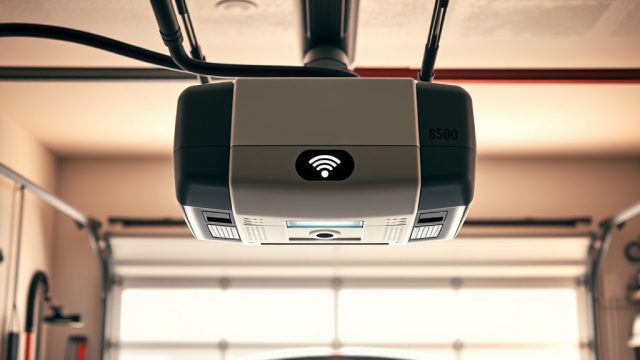
5. Does the Wi-Fi module cause extra heat in the LiftMaster 8500?
The Wi-Fi module draws minimal power (less than 2 watts) and is unlikely to cause significant heat. However, if you experience connectivity issues alongside overheating, see our WiFi pairing reset guide for troubleshooting steps.
6. When should I call a professional for LiftMaster 8500 overheating?
If you have checked capacitor condition, drive coupling, belt tension, safety sensors, and door balance, yet overheating persists, contact a qualified garage door technician. Complex electrical faults or motor replacement may require specialised tools and safety knowledge.