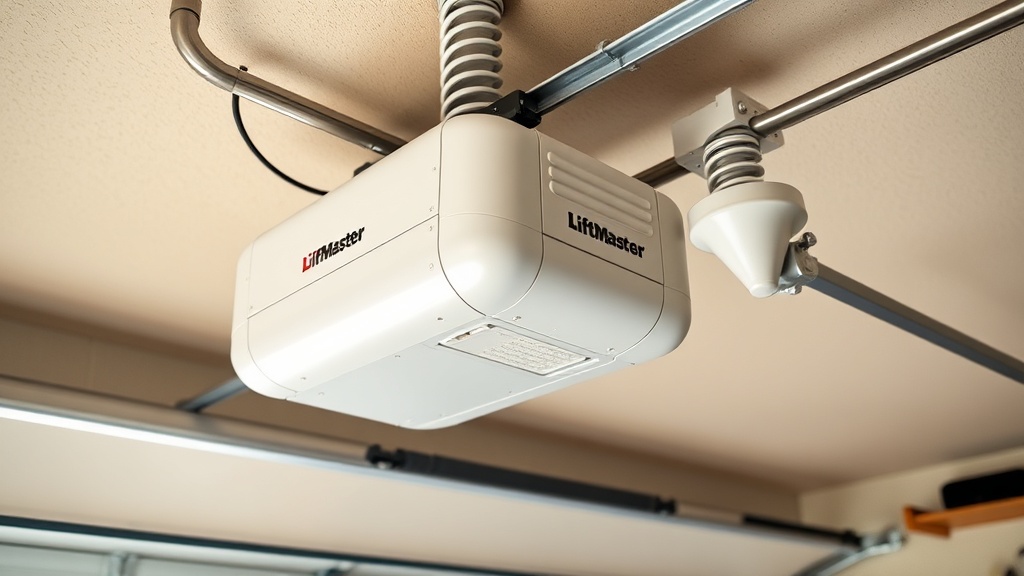
Why Does the LiftMaster 8550WLB Require Accurate Spring Tension Measurement?
The LiftMaster 8550WLB is a premium belt-drive garage door opener known for its quiet operation and battery backup. However, even the most advanced opener depends entirely on properly balanced torsion or extension springs. Without correct spring tension, the opener’s workload increases drastically, leading to premature motor wear, broken cables, and potential safety hazards. Measuring spring tension is not a step the average homeowner should skip, yet many do—often with costly consequences.
Spring tension measurement is the process of determining the force stored in the springs that counterbalance the garage door’s weight. For the 8550WLB, which uses a belt drive system, incorrect tension forces the motor to work harder than designed. This article covers the essential tools, techniques, and safety protocols for accurately measuring spring tension on doors paired with this opener.
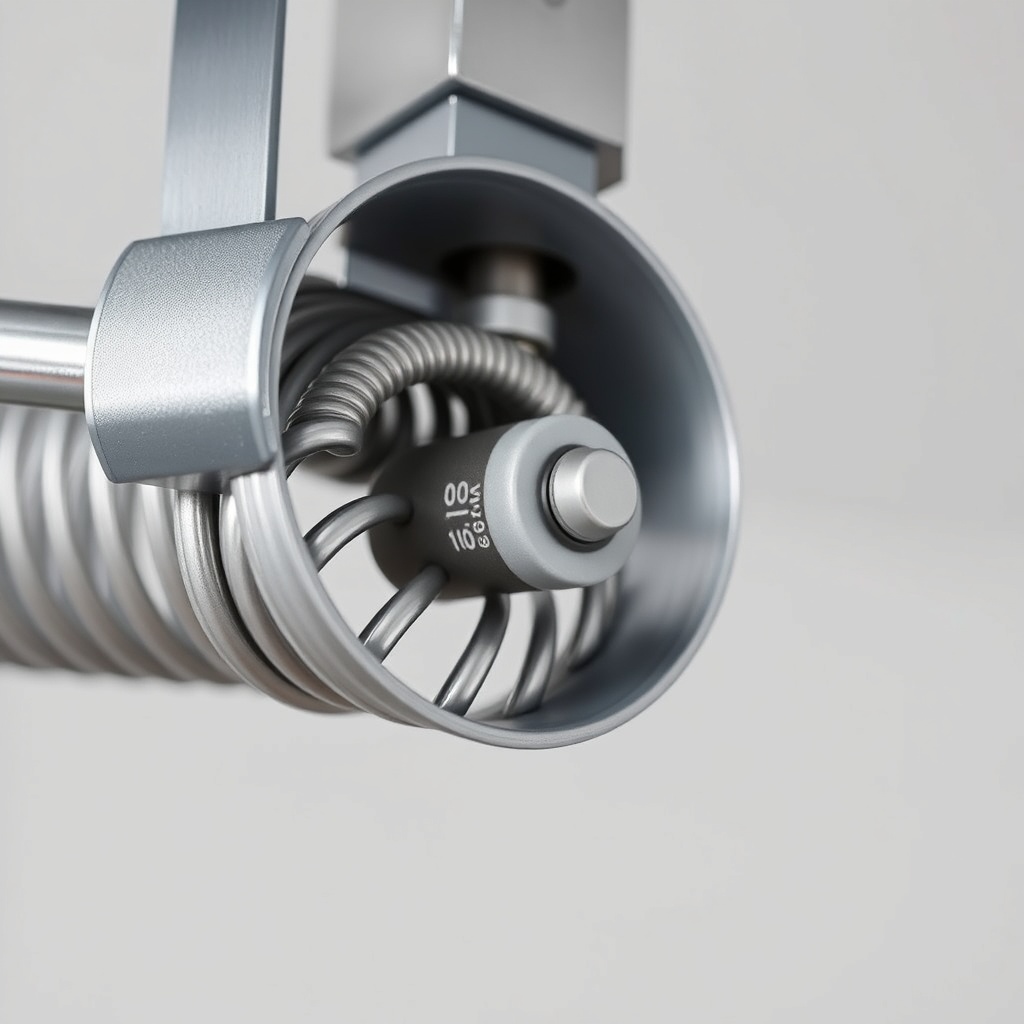
What Tools Are Essential for Measuring Spring Tension on a LiftMaster 8550WLB?
To measure spring tension safely and accurately, you need specific tools. Never attempt this with makeshift instruments—springs store lethal energy. The following table lists the recommended tool set for the LiftMaster 8550WLB door system.
| Tool | Purpose | Approximate Cost (GBP) | Safety Note |
|---|---|---|---|
| Winding bars (pair, ½-inch × 18-inch) | Insert into spring cones to adjust tension | £25-£45 | Always use two bars—never one—to prevent spring slippage |
| Digital spring tension gauge (e.g., MSC or garage door specific) | Measures force in Newtons or pounds | £60-£120 | Must be rated for at least 2000 lbs (8900 N) |
| C-clamp pliers or vice grips | Lock the torsion shaft during measurement | £10-£20 | Use two clamps for redundancy |
| Door weight scale (spring balance type) | Weighs door directly if springs are disconnected | £30-£80 | Only use with door disconnected from opener |
| Spring calculation calculator (online or manual) | Cross-validates measured tension against door weight | Free | Use reputable manufacturer formulas (e.g., Service Spring) |
| Torque wrench (0-100 Nm) | Adjusts winding bolts precisely | £40-£80 | Prevent overtightening which can crack cones |
Every tension measurement should begin with the door disconnected from the LiftMaster 8550WLB using the emergency release cord. The door should be in the down position before any tools are applied. Common issues like door binding or excessive opener noise often trace back to springs that need rebalancing.
How Do You Measure Tension on Torsion Springs for the 8550WLB?
Torsion springs, mounted on a shaft above the door, are the most common type for residential garage doors paired with the 8550WLB. Measuring their tension requires systematic steps. First, close the door fully and pull the emergency release to disengage the opener. Locking the torsion shaft with C-clamps prevents movement during measurement.
Insert both winding bars into the spring cone at the winding end. The bars should be at 90 degrees to each other. With the bars in place, carefully relieve tension by turning the cone in the unwinding direction (typically clockwise for left-wound springs) while holding the other bar to control the release. Once the spring is neutral (no pressure on the bars), measure the winding length and wire diameter with callipers. Enter these into a spring tension calculator to get the theoretical ideal tension.
Next, recharge the spring to its approximate load. Use the tension gauge by attaching its hook to the door bottom section (with the door half-open, supported by a jack). Pull down on the gauge scale. The correct reading for a door with a 8550WLB opener should be equal to one-third of the door’s total weight. For a standard 16×7-foot steel door weighing about 340 lbs (154 kg), the cable tension per side should measure roughly 115-120 lbs (512-534 N). If the reading deviates by more than 10%, the springs need adjustment. Cable replacement often coincides with spring retensioning, as worn cables stretch and alter effective tension.
What Are the Signs That the 8550WLB Springs Are Out of Balance?
Even without a gauge, a homeowner can detect spring imbalance through several warning signs. The LiftMaster 8550WLB’s belt drive amplifies these symptoms because the motor compensates for the extra load. Look for these indicators:
- Door is difficult to open manually. If you release the emergency rope and cannot lift the door with one hand smoothly, the springs are too tight or too loose. A balanced door should stay put at any height without moving.
- Door slams down quickly. If the door drops faster than walking pace, the springs have too little tension. This puts dangerous stress on cables and the auto-reverse system.
- Opener motor runs for extended periods. The 8550WLB’s battery backup will drain faster, and the belt may make a grinding noise. Chain vs belt drive troubleshooting often reveals spring load as the root cause.
- Cables are frayed or have kinks. Uneven tension causes cables to rub against the drum flanges, leading to premature failure.
- Door moves unevenly. One side lifts higher than the other—this is a sign of a broken or weakened spring on the lower side.
Any of these issues require immediate spring tension measurement and adjustment. Ignoring them can destroy the LiftMaster 8550WLB’s gear train within weeks.
Can You Measure Spring Tension Without Removing the Springs?
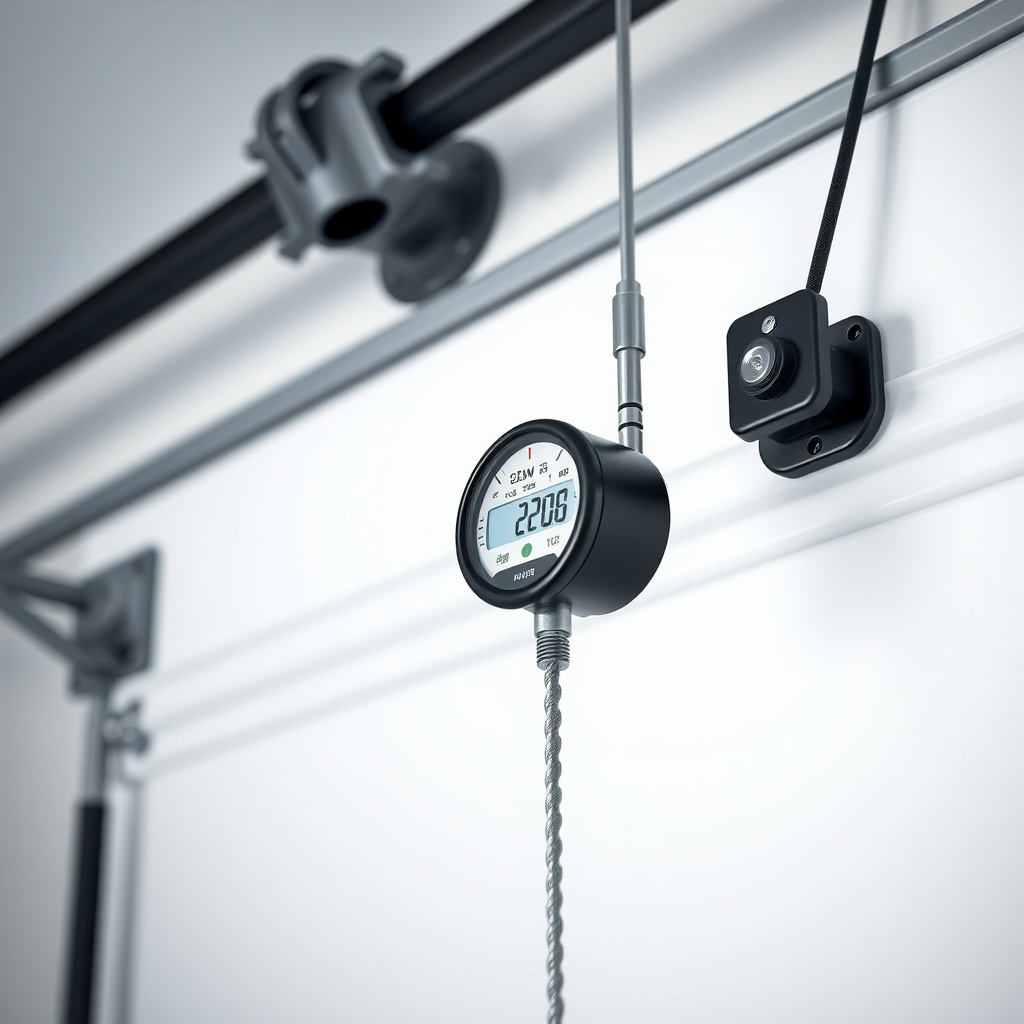
Yes, non-contact measurement is possible and preferable for safety. Instead of unwinding the springs fully, use a pulley tension meter that clamps onto the cable near the bottom bracket. These devices measure the force in the cable while the door is in the half-open position. The benefit is that you never handle high-energy springs directly. Models like the Garage Door CableForce Gauge (approx. £90) give instant digital readings in pounds or Newtons.
To use this method:
- Disconnect the 8550WLB opener via the red emergency cord.
- Open the door halfway (about 4 feet off the ground) and secure it with locking pliers on the track.
- Attach the tension meter around one cable, engaging its hook on the door bottom bracket.
- Pull the meter’s handle downwards smoothly until the cable lifts slightly off the door. Read the value.
- Repeat on the opposite cable. Both readings should be within 5% of each other.
The reading should match the door’s weight divided by the number of springs (usually 2). For a door weighing 340 lbs, each cable should read 170 lbs (756 N) if the springs are correctly matched. If using extension springs instead of torsion, measure the spring’s length at rest and compare to the manufacturer’s stretch chart. The 8550WLB works best with spring tension between 120-180 lbs per cable (534-800 N) for standard residential doors. Installation costs for professional spring tension measurement typically include this step.
What Happens If You Ignore Spring Tension on a LiftMaster 8550WLB?
Ignoring unbalanced springs leads to a cascade of failures. The 8550WLB’s motor controller detects excessive current draw and may shut down mid-cycle, creating error codes like blinking green LEDs. Over time, the belt drive stretches, causing the door to travel unevenly. The battery backup system, designed to provide 20 cycles of operation on a full charge, might drop to fewer than five cycles because the motor fights the springs.
More critically, cables can snap under unequal load. A broken cable not only damages property but can injure anyone nearby. The auto-reverse test should be performed regularly, but even a correctly adjusted opener cannot compensate for a spring that is one-third out of balance. In extreme cases, the torsion shaft can bend, requiring replacement costing upwards of £500. Regular spring tension checks should be part of every homeowner’s seasonal maintenance, ideally every 6 months or after major temperature changes.
What Owners Say About Spring Tension on the 8550WLB
Homeowners who have measured and adjusted their LiftMaster 8550WLB springs consistently report noticeable improvements. One owner on a UK garage forum described how their door had been “jerking and groaning” for months. After measuring tension with a gauge, they found the right spring was 25% weaker than the left. Rebalancing cost £90 in professional help and the opener “runs like new—silent and smooth.” Another owner noted that their battery backup now lasts seven full cycles instead of two, because the motor no longer strains against the springs.
Negative experiences generally stem from DIYers not using proper tools. One user admitted to using a single pry bar instead of winding bars and ended up with a sprung cone that flew off, cracking their garage floor. They now recommend hiring a professional for any tension adjustment. The consensus: investing £60 in a tension gauge is far cheaper than replacing a £300 opener or a broken door section. Several owners combine spring checks with troubleshooting guides for other openers, finding that a balanced door resolves multiple issues at once.
Frequently Asked Questions
How often should I measure spring tension on my LiftMaster 8550WLB?
At least once a year, or every six months if you live in a climate with extreme temperature swings. Also measure after any unusual opener noise or if you notice the door moving differently.
What is the correct tension reading for a standard double garage door with the 8550WLB?
For a 16×7-foot door weighing approximately 340 lbs (154 kg), each cable should read between 150-180 lbs (667-800 N) when the door is half-open and disconnected from the opener. This ensures the opener handles only one-third of the door’s weight.
Can I use a luggage scale to measure spring tension?
No. Luggage scales are not designed for the force levels involved and can snap or give false readings. Use a purpose-built garage door tension gauge rated for at least 2000 lbs. The cost difference is minor compared to the safety risk.
Will incorrect spring tension void the LiftMaster 8550WLB warranty?
Yes. Running the opener with improper spring load places excessive strain on the motor and gears. The warranty covers manufacturing defects, not damage caused by user neglect. A service log with tension measurements can help validate warranty claims.
Should I replace both springs even if only one is out of tension?
Yes, always replace torsion or extension springs in pairs. Springs weaken over time, and a mismatched pair will cause uneven tension. The 8550WLB’s drive system is particularly sensitive to side-to-side imbalance. Expect to pay £120-£200 for a pair of springs plus installation.
How do I know if my springs need adjustment versus replacement?
If the tension measurement is within 10% of the target value, adjusting the winding cones can correct the balance. If it deviates by more than 20% or the spring has visible gaps between coils, rust, or sags when the door is down, replacement is necessary. Use the cable replacement guide for associated parts.