Why Is the LiftMaster 8500 Making Unusual Drive Noises?
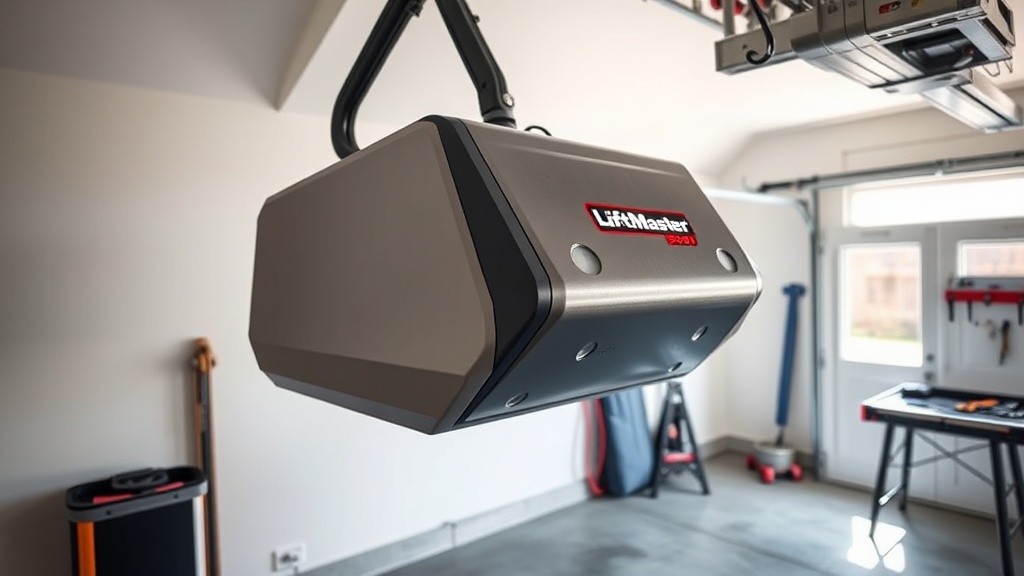
The LiftMaster 8500 wall-mounted garage door opener is renowned for its quiet operation, thanks to its direct drive and integrated DC motor system. However, when drive noises—such as grinding, rattling, or squeaking—emerge, it often signals a specific mechanical or electrical issue. This guide focuses exclusively on diagnosing and resolving drive-related noise problems, helping owners restore smooth, whisper-quiet performance.
A noisy Drive can stem from anything from loose hardware to failing internal gears. With proper diagnosis, most issues are repairable without replacing the entire opener. Below, we break down the most common causes and their solutions, using realistic cost estimates in Great British Pounds (£).
What Are the Primary Drive Components That Can Generate Noise?
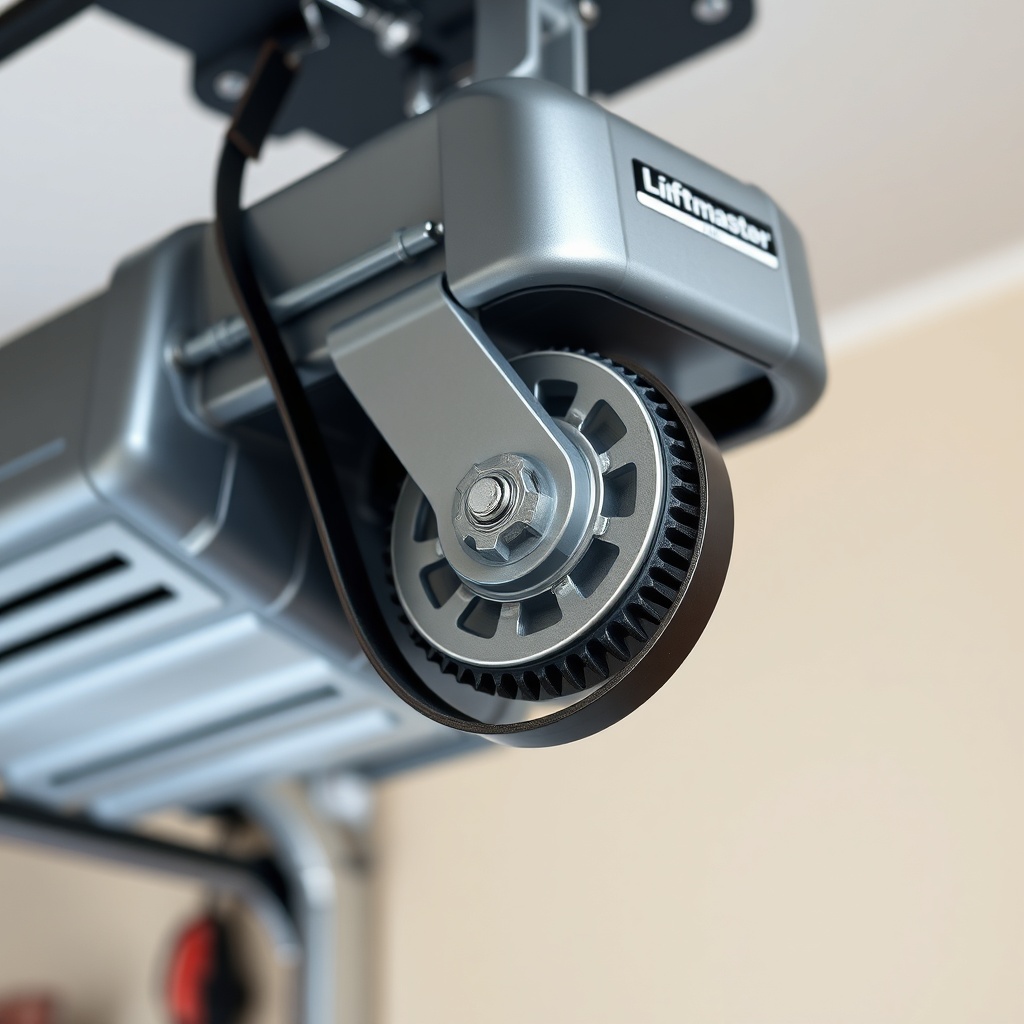
The LiftMaster 8500 uses a helical gear and belt drive system mounted directly to the torsion bar. Key components include:
- Motor assembly: The DC motor drives a helical gear.
- Drive sprocket: Connects the motor output to the belt.
- Belt tensioner: Maintains proper belt slack.
- Limit switches: Control travel endpoints.
- Chassis mounting bolts: Secure the unit to the wall.
Each component can wear or loosen over time. For example, a worn belt tensioner bearing can create a repetitive clicking sound during operation. Similarly, loose mounting bolts allow the opener to vibrate against the wall, transmitting noise through the garage structure.
How to Diagnose Grinding Sounds from the LiftMaster 8500 Drive System
A grinding noise during door movement is often the most alarming sound. It typically indicates metal-on-metal contact or internal gear damage.
Step-by-Step Diagnosis
- Isolate the noise source: Run the door manually (disengage the opener) and listen. If the noise persists, the issue is likely with the door hardware (e.g., hinges, rollers, or springs). If the noise disappears with manual operation, focus on the opener’s drive system.
- Check the belt condition: Inspect the belt for fraying, cracks, or uneven wear. A damaged belt can rub against the housing.
- Examine the drive sprocket: With the opener powered off, rotate the sprocket by hand. Any roughness or catch indicates wear.
- Listen for motor noise: A high-pitched whine or rough grinding from the motor area suggests internal bearing failure. See our guide on LiftMaster 8500 Opener Motor Overheating: Causes and Troubleshooting Guide for motor-focused issues.
Common solution: If the drive sprocket is worn, replacement costs around £40–£60 for the part, plus labour if installed by a technician (typically £80–£120). DIY replacement is possible with basic tools.
What Causes a Rattling or Vibration Noise During Operation?
Rattling often points to loose components or resonant vibration. The wall-mounted design can amplify vibrations.
Common Culprits
- Loose mounting bolts: Over time, bolts securing the opener to the wall bracket can loosen. Tighten them to manufacturer specifications (usually 20–30 Nm).
- Loose belt tension: A slack belt slaps against the housing. Adjust the tensioner screw until the belt has about 1/4 inch (6 mm) of deflection mid-span.
- Door track resonance: The opener may vibrate the entire door system. Add rubber isolation pads under the mounting brackets (around £15–£25 per set).
- Loose screws on the motor cover: Check all cover screws.
If rattling persists after tightening, consider the LiftMaster 8500 Error Code Decoder: Troubleshooting Common Faults to rule out electronic issues that could cause erratic motor behaviour.
Why Is the LiftMaster 8500 Making a Squeaking or Chirping Noise?
High-pitched squeaks typically come from friction between moving parts. The most common sources are:
- Dry drive belt: Without lubrication, the belt can squeak against the sprocket. Apply a silicone-based lubricant (not oil) to the belt’s inner surface.
- Worn torsion bar bushings: The opener’s sprocket engages the torsion bar, which rides on bushings. Squeaking here indicates bushing wear. Replacement bushings cost £10–£20, but installation requires careful disassembly of the torsion system—see LiftMaster 8500 Spring Repair: Torsion vs Extension Guide for relevant safety notes.
- Limit switch actuator: A plastic actuator arm can rub against limit switch contacts, producing a chirp. Clean the actuator and apply dry PTFE spray.
If squeaking continues, inspect the motor’s bearing shaft. A failing motor bearing will emit a continuous chirping or squealing sound during operation. This typically requires motor replacement (around £120–£180 for the part).
Comparative Severity Table: Noise Types and Solutions
| Noise Type | Likely Cause | Severity | Estimated Repair Cost (£) | DIY Difficulty |
|---|---|---|---|---|
| Grinding | Worn drive sprocket or gear | High – requires part replacement | £40–£60 (part) + £80–£120 (labour) | Medium |
| Rattling | Loose mounting bolts or belt | Low – can be tightened | £0 (DIY tightening) | Easy |
| Squeaking/Chirping | Dry belt, worn bushings, or bearing | Medium – may need part replacement | £10–£20 (bushings) to £120–£180 (motor) | Medium to High |
| Clicking (repetitive) | Worn belt tensioner bearing | Medium – can delay but eventually fails | £25–£40 (tensioner) | Medium |
| Humming (no movement) | Electrical issue or locked rotor | High – stops operation | Varies; often £150+ for diagnosis | Professional needed |
What Owners Say About LiftMaster 8500 Drive Noise Issues
User feedback across UK garage forums and review sites highlights consistent experiences. Many owners praise the LiftMaster 8500’s quiet baseline, but report that noise problems often appear after 2–4 years of use.
- “My 8500 started grinding after three years. Turned out the drive sprocket had worn down. Replaced it myself for £45 – quiet again.” – Paul, Manchester.
- “A persistent rattle drove me mad. Tightening the mounting bolts and adding rubber pads under the bracket solved it completely. Cost me £20.” – Sarah, Bristol.
- “I had a chirping noise that the local technician diagnosed as a dry belt. Lubricated it with silicone and the noise vanished. Quick fix.” – David, Edinburgh.
- “Worst-case scenario: my motor bearing failed. £170 for the replacement motor and £130 for installation. Not cheap, but the opener is quiet again.” – James, London.
Owners consistently recommend regular belt inspection and lubrication every 6–12 months. Those needing to upgrade or replace other opener components should consult the LiftMaster 8500 Battery Backup Installation: Step-by-Step Guide for power independence and reliability.
Frequently Asked Questions
Q1: Can I replace the drive belt on a LiftMaster 8500 myself?
Yes, the replacement belt kit costs around £35–£50. The procedure involves removing the opener cover, loosening the tensioner, slipping off the old belt, and installing the new one. Detailed instructions are in the user manual, but professional installation is recommended if you are not comfortable with basic tools.
Q2: How often should I lubricate the LiftMaster 8500 drive system?
Lubricate the belt, sprocket, and torsion bar bushings every 6 months with a silicone-based spray. Avoid petroleum-based lubricants, which can degrade rubber components. Over-lubrication attracts dust and can worsen noise.
Q3: What does a clicking sound from the opener mean?
A repetitive clicking during door travel often indicates a worn belt tensioner bearing. The tensioner pulley may wobble, causing the belt to skip. Replace the tensioner assembly (around £25–£40) to stop the noise and prevent belt damage.
Q4: How can I stop the LiftMaster 8500 from vibrating through the garage wall?
Vibration transmission is common with wall-mounted openers. Install a rubber isolation pad between the mounting bracket and the wall (available in DIY stores for £15–£25). Also ensure all bolts are torqued to spec. If vibration persists, check that the wall is solid (not drywall) and consider a backing plate.
Q5: Is it safe to operate a noisy LiftMaster 8500?
It depends on the noise type. A slight squeak or rattle is usually safe short-term but should be investigated. Grinding or humming noises indicate potential mechanical failure that could cause the door to fall or the motor to overheat. Stop using the opener and diagnose the issue or call a technician. See our LiftMaster 8500 Cable Replacement: DIY Step-by-Step Guide if cable issues are suspected alongside noise.
Q6: Why does my LiftMaster 8500 make noise in the open position but not when closing?
This asymmetry often points to a misaligned limit switch or a worn component that only engages during one travel direction. Check the limit switch settings and inspect the belt for uneven wear on one side. Adjusting the limit switches (instructions in the manual) may resolve the issue.
For advanced troubleshooting, including error codes and motor overheating, refer to our dedicated guides: LiftMaster 8500 Opener Motor Overheating: Causes and Troubleshooting Guide and LiftMaster 8500 Error Code Decoder: Troubleshooting Common Faults.