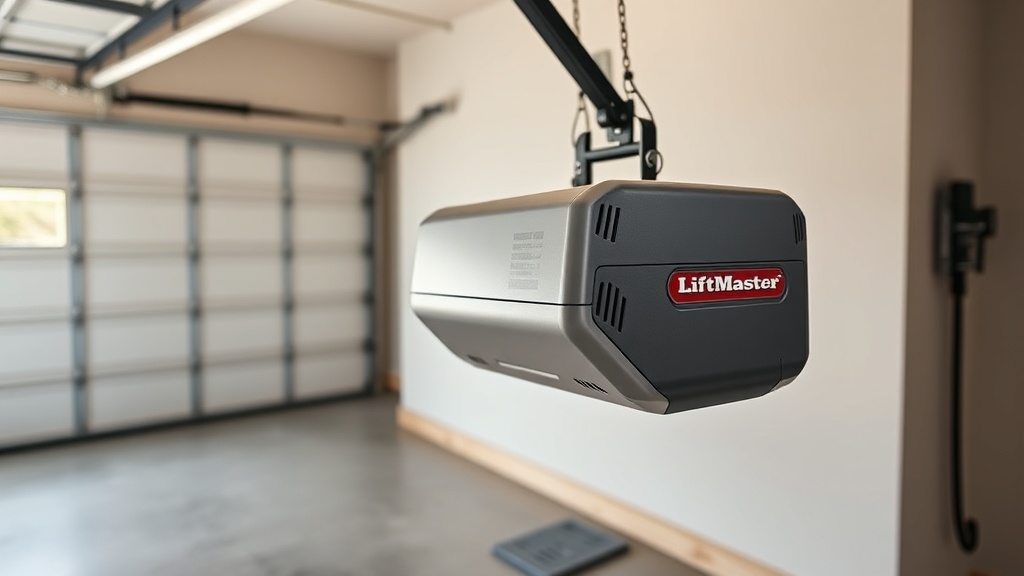
LiftMaster 8500 Opener Motor Noise Diagnosis: Causes and Solutions
When a LiftMaster 8500 side‑mounted garage door opener starts groaning, clunking, or screeching, it is rarely a sign of immediate failure but always a signal for prompt investigation. The motor and drive assembly in this wall‑mount unit operate under significant torque, and unusual noises often point to specific mechanical or electrical issues that can be resolved without a full replacement. From worn gears to misaligned drives, identifying the exact source of the noise is the first step to restoring quiet operation. This article dives into the most common motor noise problems, their causes, and step‑by‑step solutions—focusing on the opener motor and drive system.
Why Is My LiftMaster 8500 Making a Grinding or Scraping Noise?
A grinding noise from the LiftMaster 8500 motor typically indicates internal gear wear or debris caught in the drive mechanism. The opener uses a helical‑cut steel worm gear that meshes with a nylon drive gear inside the motor housing. Over time, especially with heavy‑duty usage, the nylon gear can develop flat spots or cracks, causing a harsh metallic grind. Another common cause is a lack of lubrication on the drive chain or belt. The 8500’s drive system is designed to run with a specific tension; if the chain becomes too loose, it can slap against the rail or sprocket covers, producing a rhythmic scraping sound. In rare cases, the motor’s ball bearings deteriorate, leading to a high‑pitched whine that quickly escalates into grinding. To diagnose, run the door halfway and listen—if the noise comes from the motor housing itself versus the drive rail, the issue is likely internal. For precise calibration and tension checks, refer to the LiftMaster 8500 Limit Switch Adjustment: Precise Calibration Guide to rule out limit‑switch misalignment, which can load the motor incorrectly.
What Does a Clunking Sound When Opening or Closing Mean?
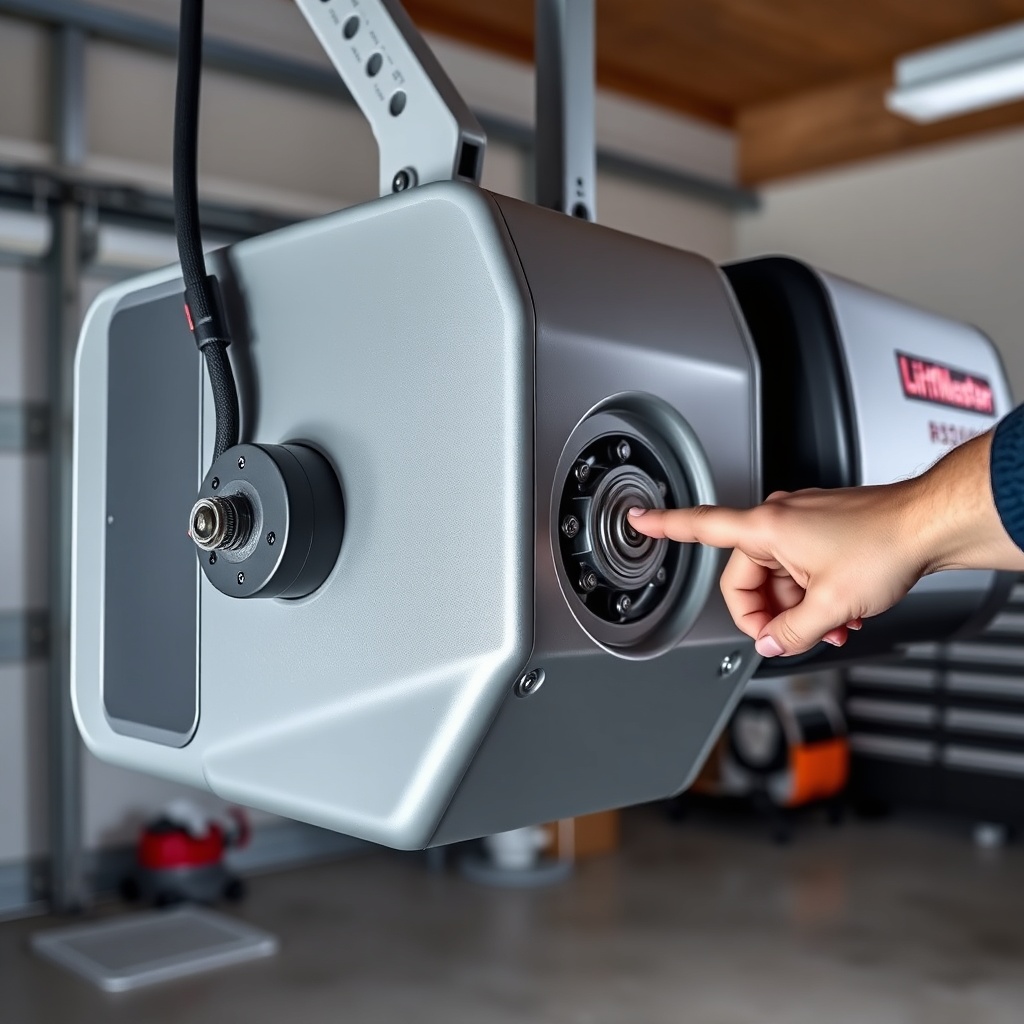
A single or repeated clunking noise during operation often points to slack in the drive system or a worn sprocket. The 8500 uses a 7‑piece T‑rail or a 3‑piece belt rail; the chain or belt is kept under constant tension by a spring‑loaded tensioner. If the tensioner loses its grip—due to a broken spring or a slipped anchor—the chain will have a “slap” at the top of each cycle, producing a sharp clunk. Additionally, the opener’s motor coupling, which connects the motor shaft to the worm gear, can become dry or cracked. A clunking sound that occurs only at the start or end of travel may indicate limit switch issues or a worn travel module. The motor capacitor can also be a culprit: a failing capacitor reduces starting torque, causing hesitation and a mechanical “bump” as the motor kicks in. For a complete walkthrough of capacitor testing and replacement, see the LiftMaster 8500 Opener Motor Capacitor Replacement: Step-by-Step Guide. If the clunking persists after tension adjustment, inspect the drive sprocket for worn teeth; replacement sprockets are available for around £25–£40.
How to Diagnose a Whining or High‑Pitched Motor Noise
High‑pitched whines are frequently misinterpreted as motor failure, but in the LiftMaster 8500, they often stem from electrical or lubrication issues. The motor’s internal bearings are sealed, but over time they can dry out, especially in dusty garage environments. A whine that changes pitch with door speed suggests bearing distress. Another common source is the drive belt or chain running too tight: the 8500’s belt tension should be set so that the belt can be twisted 90 degrees at the centre. Overtensioning creates vibration that resonates through the rail. Electronic noise from the motor controller board—such as a failing triac or capacitor—can also produce a faint, high‑frequency whine that is audible in the garage. To test, manually disconnect the trolley and run the opener without the door attached; if the whine disappears, the problem is load‑related. If it remains, inspect the LiftMaster 8500 Opener Motor Replacement: Step-by-Step Guide for signs of motor winding failure. In some cases, the noise is due to loose mounting bolts causing the steel chassis to amplify motor vibrations—tighten all bolts to 25 N·m using a torque wrench.
| Noise Type | Likely Cause | Severity Level | DIY Difficulty | Cost (Parts) |
|---|---|---|---|---|
| Grinding | Worn nylon gear or failed bearing | 3/5 | Moderate | £12–£35 (gear kit) |
| Clunking | Chain/belt slack or worn sprocket | 2/5 | Easy | £10–£30 (tensioner kit) |
| Whining | Bearings, belt tension, electronic noise | 1/5 | Easy/Moderate | £0–£25 (clean/lube) |
| Screeching | Metal‑on‑metal from dry drive shaft | 4/5 | Difficult | £20–£50 (shaft bushing) |
| Humming (no movement) | Faulty capacitor or locked motor | 5/5 | Moderate | £8–£20 (capacitor) |
Can the LiftMaster 8500 Motor Be Repaired, or Must It Be Replaced?
In most cases, the LiftMaster 8500 motor can be repaired without full replacement. The two most commonly replaced components are the motor capacitor and the drive gear assembly. The capacitor costs only £8–£20 from hardware suppliers and can be swapped in under 30 minutes using a screwdriver and needle‑nose pliers. The nylon drive gear is available in a kit (part 41A8258) for about £15–£25; this involves removing the motor cover, taking out a few retaining rings, and sliding off the old gear. The motor itself is a 24V DC unit built to last 20‑plus years, but if the windings short or the rotor seizes, replacement becomes necessary. Full motor assembly (part 41D9285) runs £80–£140, and swapping it requires disconnecting the drive chain, unplugging the harness, and removing four bolts. A good rule: if the noise is grinding or squealing for more than a month without worsening, repair is feasible; if the motor hums but won’t move at all, a capacitor or controller board is the likely suspect. For exact drive adjustment procedures, check the LiftMaster 8500 Opener Drive Adjustment: Chain Tension and Belt Alignment Guide to ensure the repair holds.
How to Perform a Noise‑Based Diagnostic Sequence
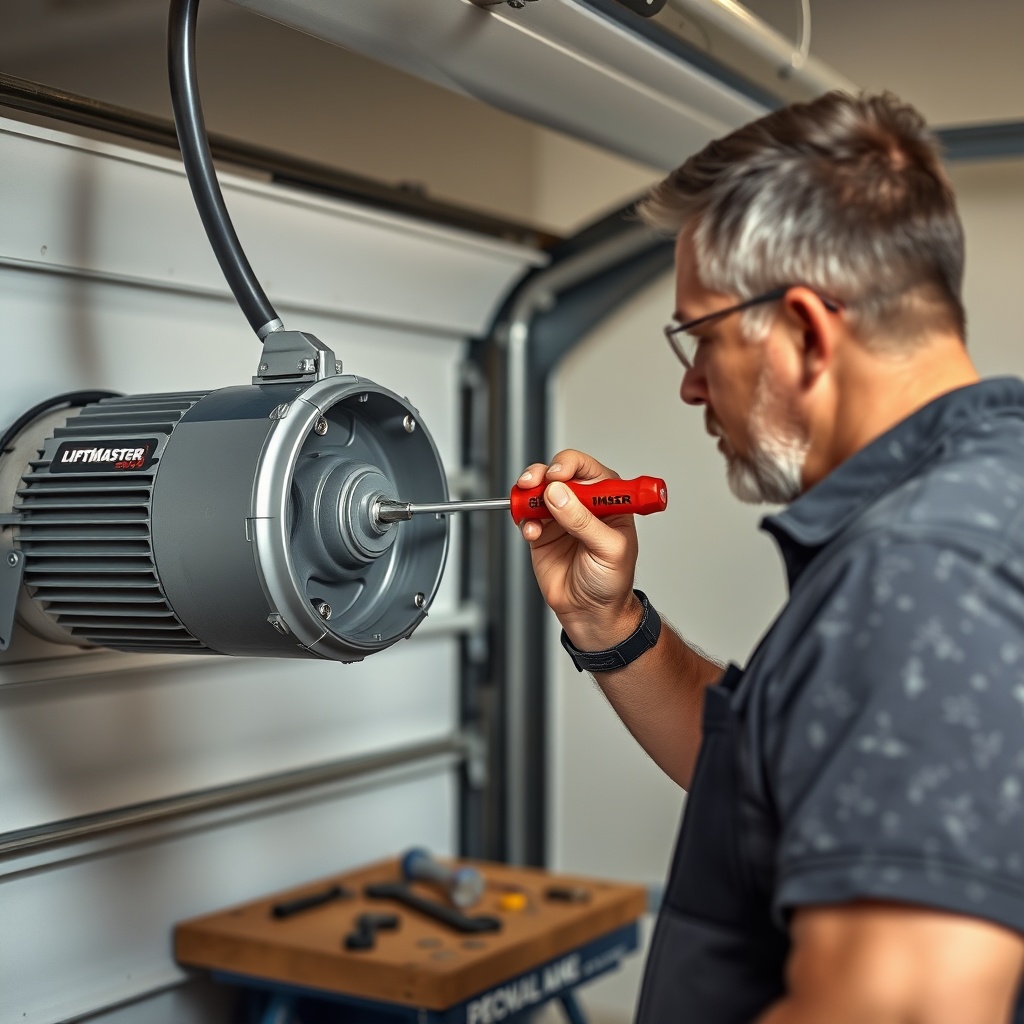
A systematic approach saves time. First, disconnect the garage door from the opener using the emergency release—pull the red cord while the door is closed. Manually lift the door halfway; if it remains in place, the door is balanced. If it crashes down, springs need adjustment before motor diagnosis. Next, set the opener to “force‑free” by holding the black “learn” button for 6 seconds until all lights flash. Run the opener without the door attached. Listen: a quiet, steady hum is normal; any grinding or whining points to the motor unit. If quiet, re‑attach the door and run a full cycle. Note where the noise occurs—during opening, closing, or at stops. Use a stethoscope or a long screwdriver placed against the motor housing and your ear to pinpoint vibration. If the noise is from the trolley area, check chain/belt alignment. If it’s from the motor, test the capacitor with a multimeter (capacitance should be within ±5% of rated value). Finally, inspect the LiftMaster 8500 Safety Sensor Wiring: Step-by-Step DIY Tutorial—faulty sensor wiring can cause erratic motor behaviour that mimics mechanical noise.
What Owners Say About LiftMaster 8500 Motor Noise
Owners of the LiftMaster 8500 generally praise its wall‑mounted design for freeing up ceiling space, but there is a consistent thread of discussion around motor noise. On UK forums and US‑centric boards, users report that the initial “hum” is quiet, but after a year of daily use, a “growl” can develop. Many attribute this to the factory‑lubricated chain drying out. Solutions cited include applying lithium grease to the chain—though LiftMaster recommends only white lithium grease—and re‑torqueing the mounting bracket bolts. A seasoned user from Glasgow noted: “I thought my motor was dying because of a high‑pitched whine. Turned out the belt was over‑tightened from a previous repair. After adjusting per the manual, it’s silent again.” Others caution that grinding noises left unchecked can lead to stripped gears; one Yorkshire owner reported a £85 repair bill for a gear kit replacement. Overall, the community consensus is that the 8500 motor is robust but demands periodic maintenance—particularly tension checks and sensor alignment. The LiftMaster 8500 Safety Sensor Alignment: Troubleshooting and Adjustment Guide is a common reference for those whose noise issues stem from door reversal vibrations.
Frequently Asked Questions
1. What is the average lifespan of the LiftMaster 8500 motor?
The motor itself typically lasts 15–20 years under normal residential use. The nylon drive gear may need replacement every 5–10 years depending on cycle frequency. Motor bearings and capacitors generally last 10–15 years before showing wear.
2. Is it normal for the LiftMaster 8500 to make a hum when idle?
A very faint hum from the transformer or control board is normal. However, a loud hum that persists for more than 30 seconds after the door stops indicates a stuck relay or a failing capacitor. Unplug the unit for 30 seconds to reset the controller; if the hum returns immediately, inspect the board for bulging capacitors.
3. How often should I lubricate my LiftMaster 8500 to avoid noise?
Lubricate every 6–12 months, depending on usage frequency. Use only white lithium grease for the chain or belt track and a silicone‑based spray for the motor’s external pivot points. Do not over‑lubricate, as excess can attract dirt and cause binding.
4. Can I fix a grinding noise by adjusting the travel limit switches?
In most cases, no. Travel limit switches control the door’s open/close positions, not motor noise. However, if the door is set to slam into the stop, the resulting shock can cause gear noise. Adjust limit switches only after verifying the door is balanced. Improper adjustment can strain the motor and increase noise. See the LiftMaster 8500 Limit Switch Adjustment: Precise Calibration Guide for correct procedure.
5. What tools do I need to diagnose motor noise on a LiftMaster 8500?
Minimum tools: a screwdriver (flathead and Phillips), a pair of needle‑nose pliers, an adjustable wrench, a multimeter (for capacitor testing), and a ladder. A stethoscope or mechanical ear is helpful for pinpointing noise sources. A torque wrench is recommended when tightening mounting bolts.