LiftMaster 8550WLB Opener Motor Capacitor Testing: DIY Tutorial
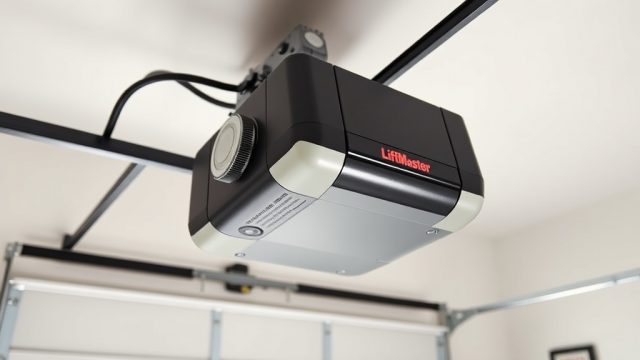
The LiftMaster 8550WLB is a well-regarded belt-drive garage door opener, known for its quiet operation and battery backup system. However, like any motor-driven unit, it can suffer from capacitor failure, leading to sluggish starts, humming without motion, or complete operational failure. This tutorial provides a practical, step-by-step guide for testing the motor start capacitor on the 8550WLB, enabling homeowners to diagnose issues without immediately calling a professional. Understanding this component can save both time and the cost of a service call, typically ranging from £80 to £120 in the UK for a technician’s visit.
What Does the LiftMaster 8550WLB Motor Capacitor Do?
The motor capacitor on the LiftMaster 8550WLB is an electrical component that stores and releases energy to provide the initial torque needed to start the motor. Without this boost, the motor may struggle to turn the garage door, especially when dealing with the weight of a heavy insulated door or during cold weather when lubricants thicken. Capacitors degrade over time due to heat, voltage spikes, and simple age.
How Can You Tell if the Capacitor is Bad on a LiftMaster 8550WLB?
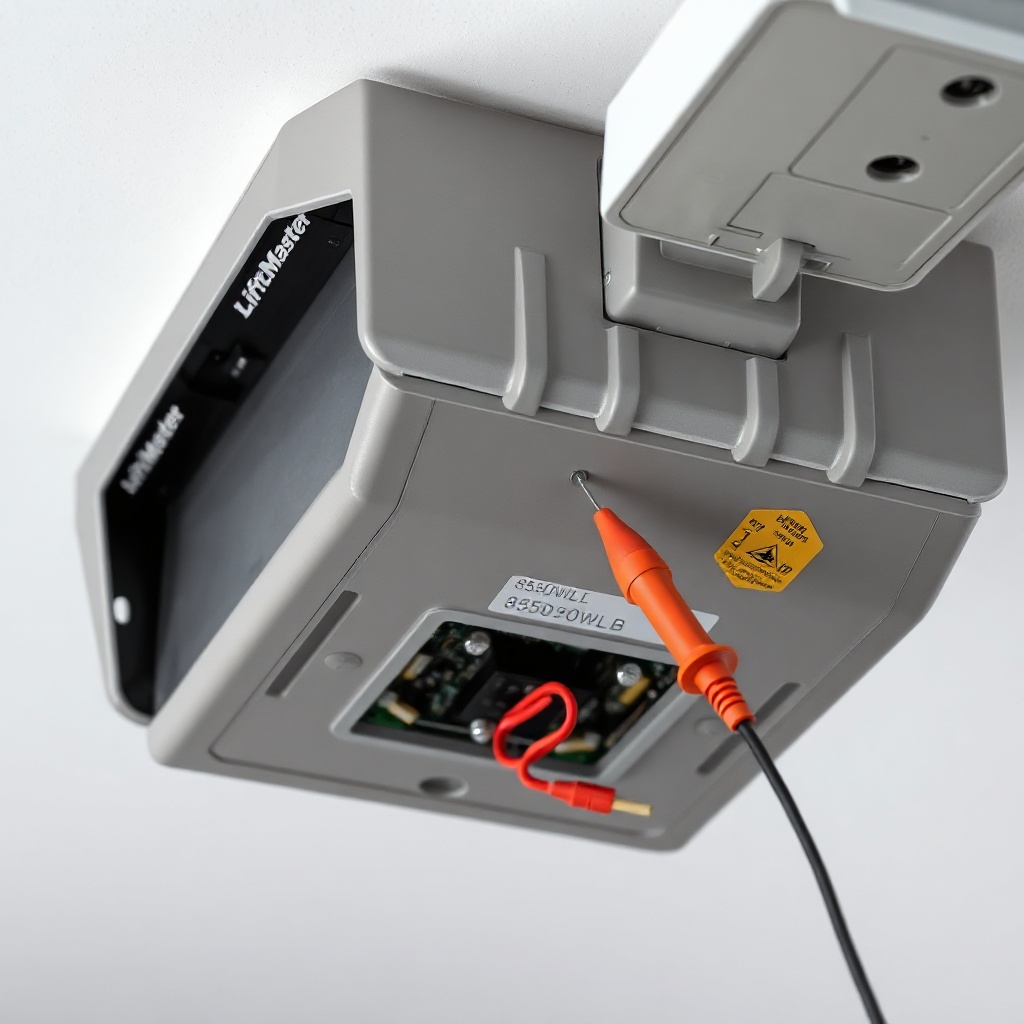
Capacitor failure in the 8550WLB presents distinct symptoms. Homeowners might notice the opener makes a humming sound when activated but the door does not move. Alternatively, the motor may start slowly or fail intermittently on cold mornings. A visual inspection inside the control panel often reveals a bulged top or leaks around the capacitor if it has failed catastrophically. Before testing, always disconnect power to the unit from the mains to avoid electric shock. If the door is stuck, refer to the LiftMaster 8550WLB Troubleshooting Guide: Fix 10 Common Issues for other potential causes before focusing on the capacitor.
What Tools Do You Need to Test the 8550WLB Capacitor?
Testing the capacitor requires a few basic tools that are inexpensive and available at most UK hardware stores. The primary tool is a digital multimeter (DMM) with a capacitance measurement setting (often marked with a “–|(–” symbol). You will also need a screwdriver to remove the access panel, and optionally a pair of insulated pliers to safely discharge the capacitor before handling. Safety glasses are recommended.
| Tool | Typical UK Cost (£) | Purpose |
|---|---|---|
| Digital Multimeter (with capacitance mode) | £15 – £40 | Measure the actual capacitance value |
| Insulated Screwdriver Set | £8 – £15 | Remove cover screws and terminals |
| Safety Glasses | £3 – £10 | Protect eyes from potential capacitor rupture |
| Insulated Pliers | £6 – £12 | Discharge capacitor before handling |
Step-by-Step: How to Test the LiftMaster 8550WLB Capacitor
Follow these steps carefully. Always confirm the capacitor has been discharged before touching its terminals. A capacitor can hold a charge for hours after power is disconnected. Use a 20kΩ resistor (or a screwdriver with an insulated handle) across the two terminals to discharge it—expect a small spark. Once discharged, proceed.
- Locate the Capacitor: Remove the cover from the LiftMaster 8550WLB control box. The capacitor is a small cylindrical or oval component, usually black or silver, mounted near the motor termination board.
- Disconnect Wiring: Take a photo or note which wires go to which terminal. The 8550WLB typically uses spade connectors. Gently pull them off.
- Set Multimeter: Turn the dial to the capacitance setting. If your multimeter has a range, select a value higher than the capacitor’s rating (e.g., the stock capacitor is usually rated 30–50 µF).
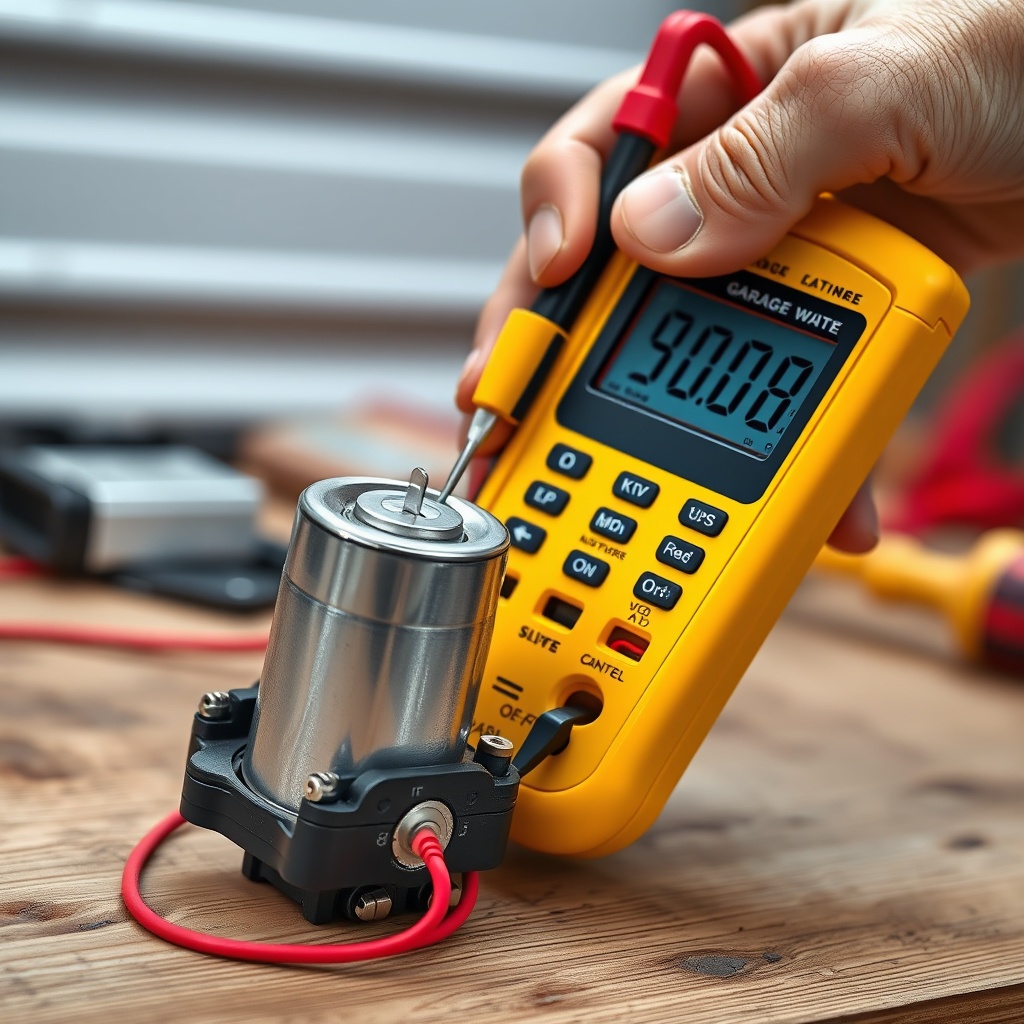
- Measure: Touch the multimeter probes to the two terminals. Polarity does not matter for this type of capacitor. Read the display.
- Compare: The reading should be within ±10% of the rated value printed on the capacitor (e.g., if rated 40 µF, the reading should be between 36 and 44 µF).
What Are the Common Symptoms of a Failing Capacitor?
Besides the humming noise, other symptoms include the motor drawing more current than normal (detectable with an ammeter clamp), the opener working intermittently, or the door opening slowly. A classic sign is that the opener works fine when cool but fails after running for a few cycles—heat buildup can cause a marginal capacitor to drop below threshold. If you notice the belt is loose or slipping, also check the LiftMaster 8550WLB Belt Drive Tension Adjustment: DIY Step-by-Step Guide, as mechanical issues can sometimes mimic electrical problems.
What Owners Say
Many UK homeowners who have performed the capacitor test on their LiftMaster 8550WLB report satisfaction with the DIY approach. On forums like UK Garage Door Forum and DIYnot, users frequently note that a simple capacitor replacement—costing between £5 and £12 online—restored full functionality. One owner from Manchester wrote: “My 8550WLB was humming but not moving. I tested the capacitor with a £20 multimeter from Screwfix. It read 12 µF instead of the rated 45 µF. A new capacitor fixed it completely. Saved £90 on a callout.” Another user in Surrey mentioned combining this test with a LiftMaster 8550WLB Limit Switch Adjustment: Precise Calibration Guide to ensure the door stops at the correct position after the repair. A minority report that if the capacitor tests fine, the issue may lie with the start relay or motor windings, which might require professional diagnosis—and that is where the LiftMaster 8550WLB Installation Cost and DIY vs Pro Guide can help decide if a replacement unit makes more economic sense.
Frequently Asked Questions
- Can I bypass the capacitor to test if the motor runs?
No. Running the motor without a capacitor can damage the windings due to higher starting current. Always test the capacitor in circuit or replace it first. - What is the exact capacitance value for the LiftMaster 8550WLB capacitor?
The stock value is usually 40 µF ±5% at 250 VAC. However, always check the label on the existing capacitor (e.g., 35 µF, 45 µF) as revisions may vary. - Where can I buy a replacement capacitor for the 8550WLB in the UK?
You can purchase from local electrical suppliers like RS Components, Screwfix, or online at Amazon UK. Search for “motor start capacitor 40 µF 250V” or bring the old one to a store for matching. - How long does a garage door opener capacitor typically last?
Typically 3–7 years, depending on usage frequency, ambient temperature, and voltage stability. The 8550WLB’s battery backup system can cause higher usage cycles if the door is frequently operated on battery power. - Will a bad capacitor cause the remote not to work?
Indirectly, yes. If the motor cannot start, the opener will not respond to any command—remote, wall button, or keypad. The remote itself is fine; test with the LiftMaster 8550WLB Remote Programming: Step-by-Step Guide to confirm. - Can I test the capacitor without removing it from the opener?
You can test in-circuit using a multimeter, but the reading may be affected by other components. For accuracy, disconnect one lead before measuring. Always discharge first.