Introduction
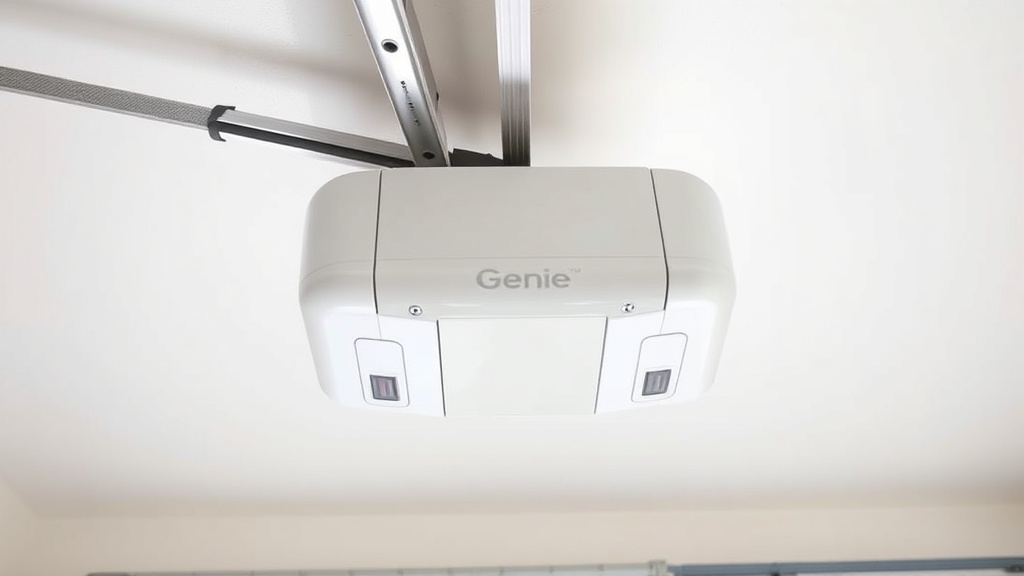
The Genie SilentMax 1200 is a reliable garage door opener known for its quiet operation and robust performance. However, the most critical safety feature on any automatic garage door opener is the safety sensor system, which ensures the door reverses if an obstruction is detected. This tutorial provides a comprehensive DIY guide for testing the safety sensors and auto-reverse mechanism on your Genie SilentMax 1200, helping you maintain a safe home environment without calling a technician.
What Are the Genie SilentMax 1200 Safety Sensors and Why Must They Be Tested?
The safety sensors on the Genie SilentMax 1200 are two infrared units mounted on each side of the garage door track, approximately six inches above the floor. They transmit an invisible beam across the door opening. When the beam is broken while the door is closing, the opener immediately reverses direction to prevent injury or damage. This is known as the auto-reverse feature.
Testing these sensors is vital because they are the primary safeguard against accidents. According to garage door safety guidelines, the sensors should be tested at least once a month. A malfunctioning sensor can lead to the door closing on a child, pet, or vehicle, resulting in serious harm or costly repairs. Regular testing ensures the sensors are aligned, clean, and properly wired.
If you suspect wiring issues, consult our Genie SilentMax 1200 Safety Sensor Wiring: Step-by-Step Guide for detailed instructions.
How Does the Auto-Reverse Mechanism Work in the Genie SilentMax 1200?
The auto-reverse mechanism is a two-stage safety system. First, the optical sensors detect an obstruction. Second, if the sensors fail, the opener also has a force-sensing system that monitors resistance. When the door encounters an obstacle, the opener detects increased motor load and reverses. The Genie SilentMax 1200 is designed to reverse within two seconds of contact, reducing the risk of entrapment.
Both systems must be tested independently. The sensor test checks the beam break, while the auto-reverse test checks the force reversal. In the UK, compliance with safety standards (such as BS EN 13241-1) mandates that garage doors meet strict auto-reverse requirements. A door that does not reverse properly can result in fines or voided insurance claims.
What Tools and Equipment Are Needed for Testing Genie SilentMax 1200 Sensors?
Testing the sensors requires minimal tools. Below is a list of items you’ll need:
- A small object to break the beam (e.g., a cardboard box or a broom handle).
- A stepladder for reaching the sensors.
- A soft cloth for cleaning sensor lenses.
- A friend or assistant for the auto-reverse test (optional but safer).
- Safety glasses if working near moving parts.
No specialised electronic tools are necessary. The sensors themselves have indicator lights: a steady green LED on one sensor and a steady amber LED on the other indicates proper alignment. If lights are flashing, misalignment or wiring issues exist.
How to Test the Genie SilentMax 1200 Safety Sensors (Step-by-Step)
Follow these steps to test the safety sensors on your Genie SilentMax 1200:
- Step 1: Clear the garage door area of obstructions. Ensure the door is closed to start.
- Step 2: Use the wall control or remote to open the door fully.
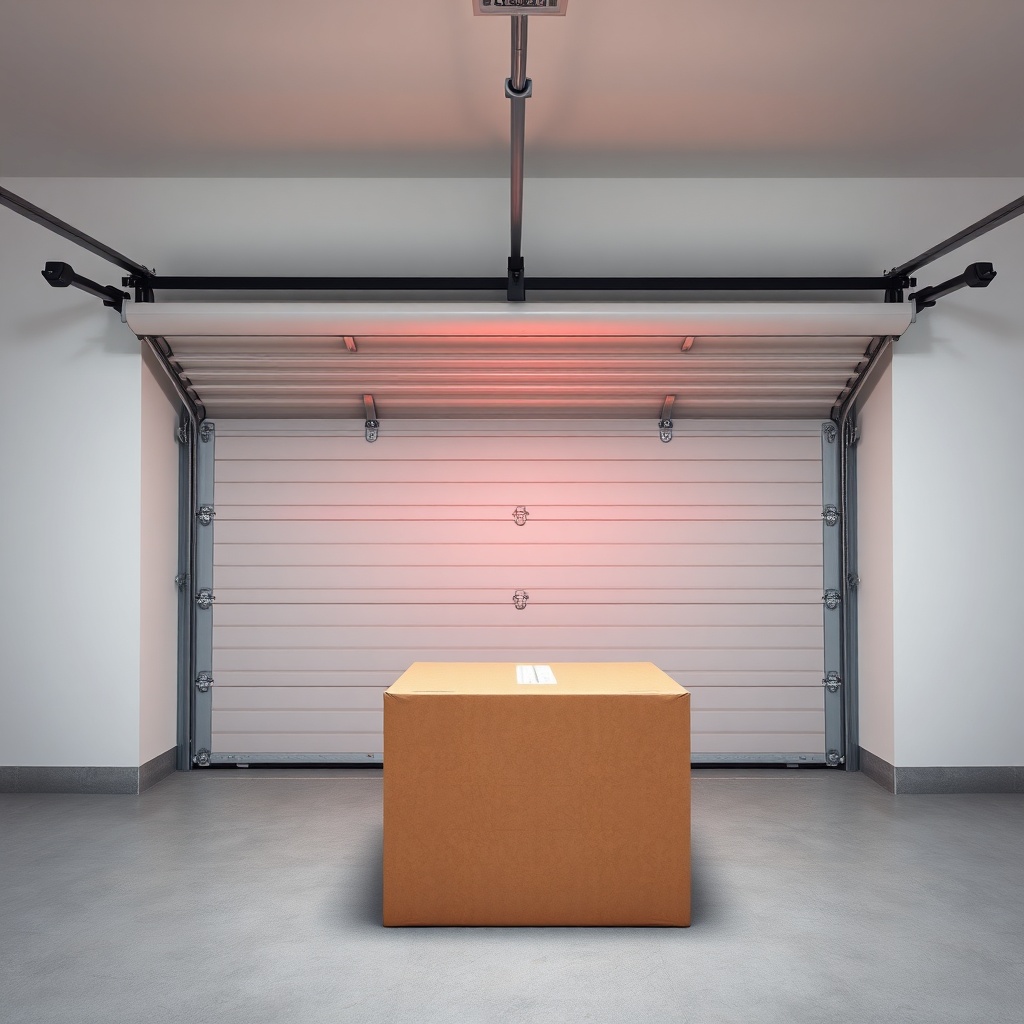
- Step 3: While the door is descending, hold a small object (like a cardboard box) in the path of the sensor beam at a height of about six inches above the floor.
- Step 4: The door should stop and reverse direction within two seconds. If it does not reverse, the sensors may be misaligned or dirty.
- Step 5: Repeat the test from the opposite side to confirm both sensors work.
If the door does not reverse, check the sensor lenses for dirt or cobwebs using a soft cloth. Misalignment can be fixed by loosening the wing nuts on the sensor brackets and gently adjusting until the LEDs are steady. For wiring checks, refer to our Genie SilentMax 1200 Safety Sensor Wiring: Step-by-Step Guide.
How to Perform the Genie SilentMax 1200 Auto-Reverse Force Test
The force test verifies that the door reverses when it contacts an obstacle. This is different from the sensor test. Here’s how:
- Step 1: Open the door fully using the remote.
- Step 2: Place a 50mm (2-inch) thick piece of wood or a rubber stopper on the floor directly under the door’s centre.
- Step 3: Press the close button. The door should contact the object and reverse within two seconds. The door should not crush the object.
- Step 4: If the door does not reverse, the force or limit settings may need adjustment. Refer to our Genie SilentMax 1200 Opener Drive Adjustment: Chain Tension and Belt Alignment Guide for force setting instructions.
Note: The auto-reverse force is adjustable via the opener’s control board. Increasing force too much can disable the safety feature. Always test after any adjustment.
What Do Indicator Lights Tell You About Genie SilentMax 1200 Sensor Health?
The Genie SilentMax 1200 safety sensors feature LED status indicators. The following table summarises common light patterns and their meanings:
| LED Colour | Status | Meaning | Action Required |
|---|---|---|---|
| Green (transmitter) + Amber (receiver) | Steady | Sensors aligned and working | No action needed |
| Green + Amber | Flashing | Misalignment or obstruction in beam | Realign sensors; clean lenses; remove obstacles |
| Either LED | Off | No power or wiring fault | Check power supply; inspect wires for damage |
| Green only (amber off) | Steady | Receiver malfunction | Replace receiver sensor |
| Amber only (green off) | Steady | Transmitter malfunction | Replace transmitter sensor |
If you see flashing lights, first clean the lenses with a lint-free cloth. If the issue persists, check the wiring connections or consider replacement. A malfunctioning sensor can also be caused by a bad motor capacitor; our Genie SilentMax 1200 Opener Motor Capacitor Replacement Guide can help if the opener seems unresponsive.
What Owners Say About Genie SilentMax 1200 Safety Sensor Testing
UK owners of the Genie SilentMax 1200 frequently praise the ease of testing the sensors. Many report that after initial installation, they can complete a full sensor and auto-reverse check in under five minutes. One owner from Manchester noted, “I test mine every month during cleaning. The LEDs make it obvious if something is off. When I got a flashing amber light, a quick wipe with a cloth fixed it.”
However, some owners mention that sensor alignment can be finicky after a spring cable replacement or track adjustment. For those cases, checking the limit switch settings may be necessary. Our Genie SilentMax 1200 Limit Switch Adjustment: Precise Calibration Guide provides detailed steps to calibrate travel limits, which affects door balance and sensor alignment.
Several users in online forums recommend testing the auto-reverse after changing the battery in the remote, as some found the force settings inadvertently adjusted. It’s also common to test sensors after a power outage, as the opener may need re-synchronisation. The consensus is that regular testing saves money on professional callouts and ensures family safety.
Frequently Asked Questions
Q1: How often should I test the Genie SilentMax 1200 safety sensors?
A1: You should test the sensors and auto-reverse at least once a month. More frequent testing is recommended during winter months when cold can affect sensor alignment.
Q2: My Genie SilentMax 1200 sensors flash, but the door still closes. Is that safe?
A2: No. A flashing LED typically indicates misalignment or a dirty lens. While the door may still close, the safety function may be compromised. Clean the lenses and realign the sensors immediately.
Q3: What should I do if the door reverses without any obstruction?
A3: This may indicate sensor sensitivity issues or a problem with the force settings. Check for reflected light from puddles or shiny surfaces near the sensors. If the problem persists, adjust the force settings via the opener control board.
Q4: Can I bypass the safety sensors for testing?
A4: No. Bypassing or disabling the sensors is dangerous and voids safety certifications. Always repair or replace faulty sensors rather than bypass them.
Q5: How much does it cost to replace a Genie SilentMax 1200 safety sensor?
A5: Replacement sensors typically cost between £20 and £40 for a pair from UK hardware retailers. DIY installation can save on labour costs, which might otherwise add £50–£80 for a technician visit.
Q6: After testing, the door reverses but takes longer than two seconds. Is that acceptable?
A6: No. The UK safety standard requires reversal within two seconds. If it takes longer, check the force settings or consider that the opener may need a limit switch adjustment. Refer to our Genie SilentMax 1200 Limit Switch Adjustment: Precise Calibration Guide for help.
For additional support with remote functions, see our Genie SilentMax 1200 Remote Programming: DIY Guide for All Models. Regular sensor testing ensures your Genie SilentMax 1200 remains a safe and reliable part of your home.