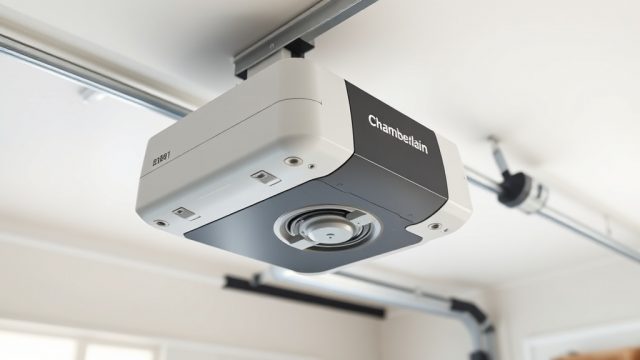
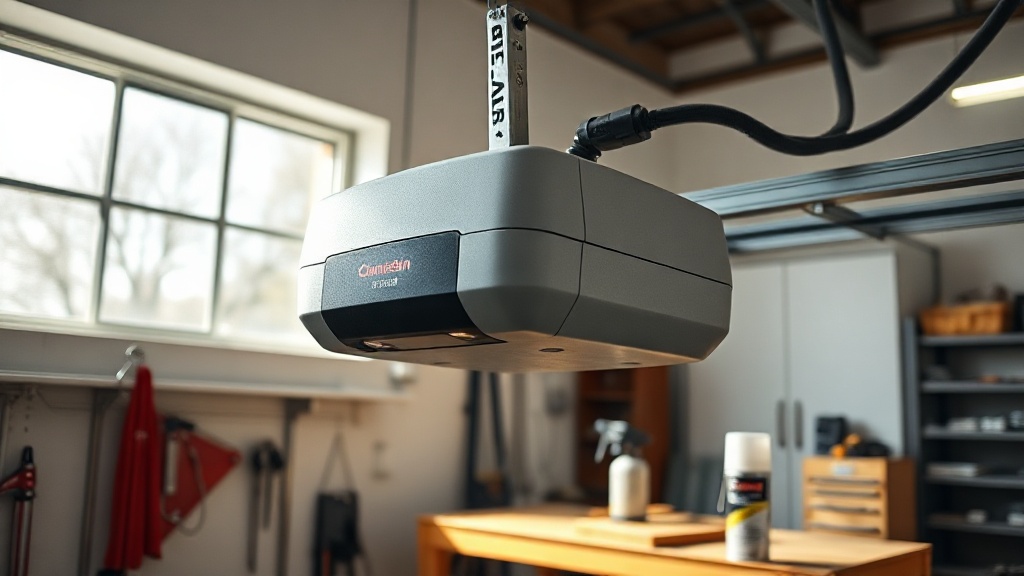
The Chamberlain B1381: A Heavy-Duty Performer That Demands Proper Lubrication
The Chamberlain B1381 is a robust residential garage door opener equipped with a 1 ¼ HP DC motor and a steel-reinforced belt drive, designed to handle doors up to 10 feet high and 850 pounds with ease. However, like any mechanical drive system, especially one under constant tension, the roller chain on the B1381—or more accurately, the belt drive and its associated sprockets and rail—requires periodic lubrication and maintenance to prevent premature wear. This comprehensive guide covers every aspect of keeping your B1381’s drive system running smoothly, from selecting the right lubricant to performing seasonal checks.
Why Does My Chamberlain B1381 Need Regular Lubrication?
Even though the B1381 uses a belt drive rather than a chain, the internal motor sprocket, idler pulley, and the belt’s contact points along the T-rail still experience friction. Over time, dust, grit, and moisture can accumulate, leading to increased resistance, noise, and eventual failure of the belt or pulleys. Proper lubrication reduces friction, extends the life of the drive system, and keeps the opener operating quietly. Neglecting this simple task can result in a burning smell, erratic movement, or error codes such as Chamberlain B1381 Error Code Decoder: Troubleshooting Common Faults indicating excessive load or drive system binding.
What Lubricant Is Best for the Chamberlain B1381?
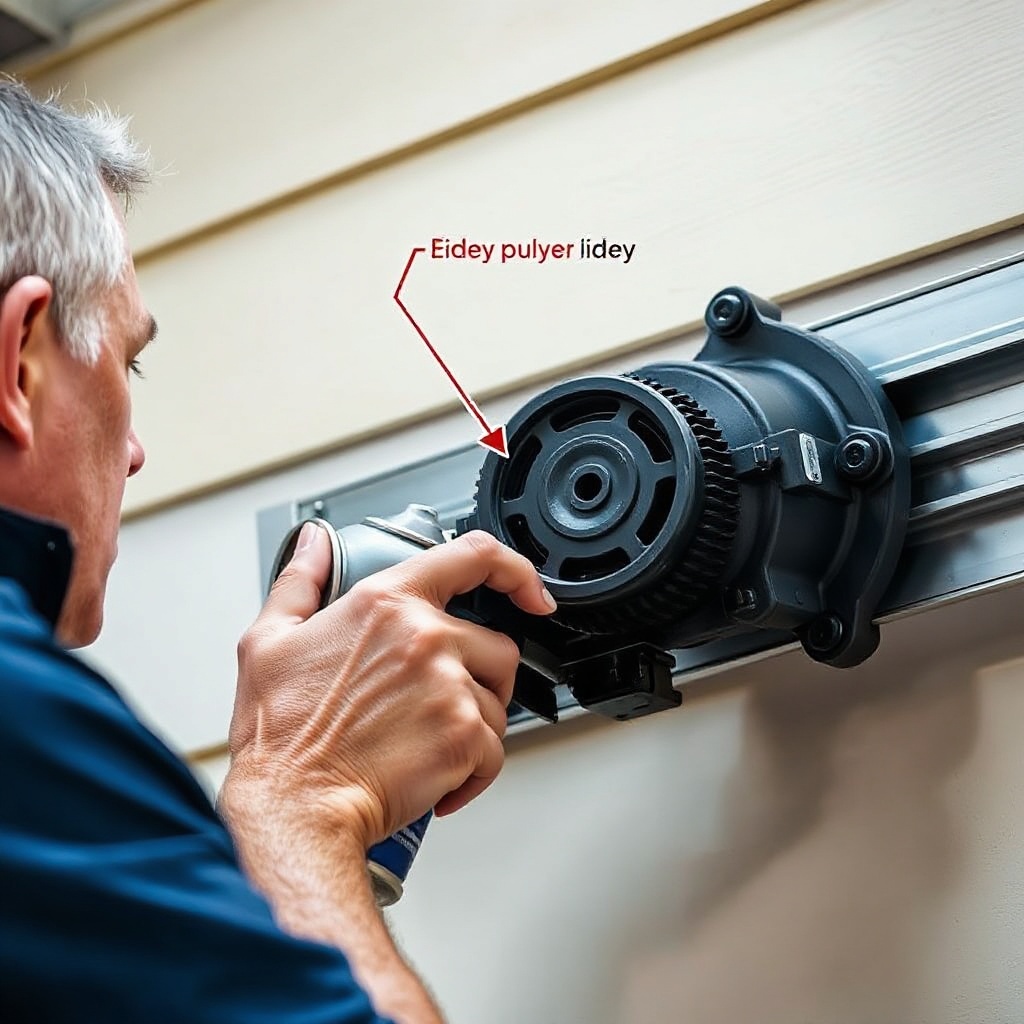
Use only a high-quality garage door lubricant specifically designed for steel-roller tracks and pulleys. Avoid WD-40™ or all-purpose oils—they attract dust and evaporate quickly. Chamberlain recommends a lithium-based grease in a spray can (e.g., 3-IN-ONE Professional Garage Door Lubricant) or a silicone spray for belt drives. For the B1381, apply the lubricant to the following points:
- The top of the T-rail where the belt rides (lightly)
- The idler pulley axle at the front of the rail
- The motor sprocket inside the opener housing (only accessible when cover is removed)
- The hinge pins of the door itself (not the opener)
Never lubricate the belt directly—that can cause slipping. Only lubricate the metallic or plastic surfaces on which the belt glides.
| Lubricant Type | Recommended For | Suitability for B1381 | Price (approx.) |
|---|---|---|---|
| 3-IN-ONE Professional Garage Door Spray (white lithium) | Rail surfaces, pulleys, springs | Excellent | £7.50 – £9.00 per 400ml can |
| WD-40 Specialist Silicone Spray | Rollers, hinges, belt-idler pulleys | Good (not for springs) | £8.00 – £10.00 per 400ml |
| Blaster Garage Door Lubricant (lithium) | All metal-on-metal contact points | Excellent | £9.50 – £11.00 per 400ml |
| General-purpose motor oil (SAE 30) | Not recommended | Poor – attracts dust | N/A |
How Often Should I Lubricate the B1381?
Chamberlain recommends servicing your B1381 every six months—spring and autumn are ideal. However, if any of the following conditions exist, increase frequency to every three months:
- Door operates more than 10 cycles per day (a typical family home with multiple cars)
- Environment is dusty, sandy, or coastal (salt air accelerates corrosion)
- You notice grinding, squeaking, or squealing noises during operation
- Error codes appear on the motor unit (refer to Chamberlain B1381 WiFi Setup Issues: Step-by-Step Solutions Guide for connectivity errors that may mask mechanical issues)
Step-by-Step: How to Lubricate the Chamberlain B1381 Drive System
Follow these steps in order to ensure complete coverage without over-lubricating:
- Disconnect power to the opener from the mains or wall switch. Safety first.
- Unlock the door manually using the emergency release cord. Ensure the door is fully closed and secured with a locking pliers if necessary.
- Clean the rail with a dry cloth to remove any dirt or old grease. For stubborn buildup, use a paper towel and a small amount of isopropyl alcohol (avoid getting alcohol on the belt).
- Apply lubricant to the top of the rail (the channel the belt rides in) using a light spray at a 45-degree angle. Move the lubricant along the entire length of the rail, about 10–15 cm at a time.
- Lubricate the idler pulley at the front of the rail by spraying a brief burst into the bearings (not on the belt).
- Inside the motor housing, remove the light lens and apply a drop of white lithium grease to the motor sprocket shaft. Avoid getting grease on the circuit board.
- Cycle the door manually by pulling the manual release and moving the door up and down 2–3 times to distribute the lubricant.
- Reconnect power and run the opener through a full open/close cycle. Listen for quiet operation.
If the belt appears frayed or cracked, replace it immediately using Chamberlain B1381 Belt Replacement: Step-by-Step DIY Guide. Running a worn belt can cause alignment issues and damage the sprockets.
What Are the Signs My B1381 Needs Immediate Lubrication?
Watch for these symptoms that indicate the drive system is under strain:
- Grinding or chattering noise during opening or closing—especially near the motor head.
- Intermittent jerking as the door moves along the track.
- Burning smell—this is a serious sign of friction overheating; stop use immediately.
- Slow operation compared to normal speed—typically a sign of high friction in the belt path.
- Safety sensor misalignment codes (error code 1-1 or 4-1) that persist after cleaning lenses—possible vibration from a binding drive can knock sensors out of alignment. See Chamberlain B1381 Safety Sensor Alignment Guide: Troubleshooting Tips.
What Owners Say
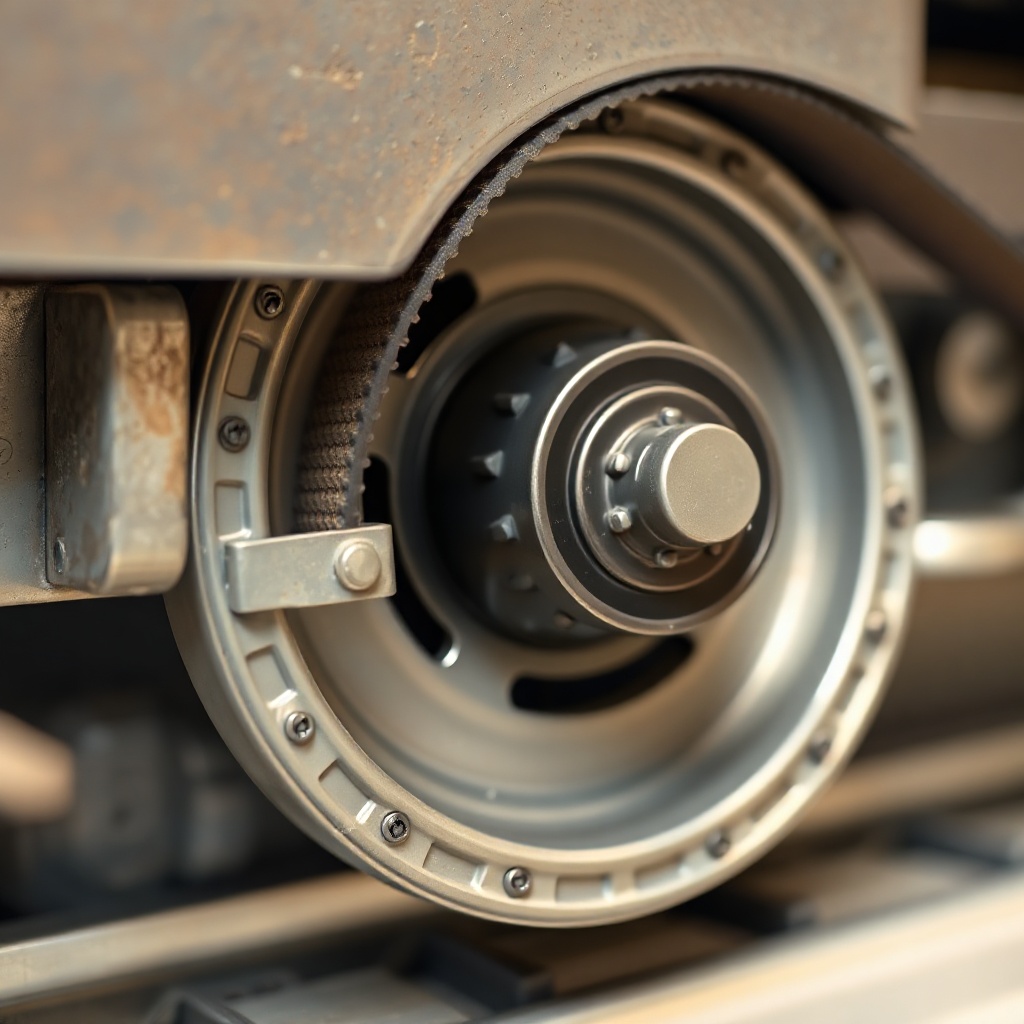
Feedback from owners of the Chamberlain B1381 in UK and European markets reveals a pattern: those who follow the six-month lubrication schedule report exceptionally quiet operation and no drive system failures for 8+ years. A typical comment from a user in Essex: “I’ve had my B1381 for four years. I lubricate the rail every spring with white lithium, and it still runs like new. The belt shows no signs of wear. Worth the tiny amount of effort.” Another owner from Scotland noted: “I ignored the manual for the first year. Ended up with a belt that the manual described as ‘frayed,’ and had to replace it. Cost me £35 for a new belt and an hour of fiddling. Now I do lubrication religiously.” A common theme is that the B1381 is extremely reliable when maintained, but the belt and pulleys are the weak points if neglected—easily avoided with proper care.
Frequently Asked Questions
Q1: Can I use lithium grease from a tube instead of a spray?
Yes, but apply it sparingly with a brush or finger. Avoid heavy globs—they attract dust and cause belts to slip. Spray lubricant is easier to apply evenly along the rail.
Q2: The B1381 manual says NOT to lubricate the belt itself. Why?
Lubricant on the belt reduces friction with the sprocket, causing the belt to slip. The belt relies on a certain amount of friction to grip the motor sprocket. Lubricate only the rail surfaces and pulleys.
Q3: How do I fix a noisy B1381 after lubrication?
If noise persists after lubrication, check the belt tension. Too loose can cause slapping noise; too tight can cause humming. Also examine the rail for dents and the idler pulley for play. Adjust tension per the manual. If sensors are misaligned due to vibration, refer to Chamberlain B1381 Safety Sensor Alignment Guide: Troubleshooting Tips.
Q4: Can I lubricate the rail while the door is opening?
No. Always disconnect power and manually close the door before lubricating. Moving parts pose a pinch risk.
Q5: I see error code 4-2 after lubrication—what does it mean?
Code 4-2 on the Chamberlain B1381 indicates a motor or drive system issue, often caused by excessive friction. You may have over-lubricated the rail, causing the belt to slip. Clean the rail with a dry cloth and retest. If the error persists, consult the Chamberlain B1381 Error Code Decoder: Troubleshooting Common Faults.
Q6: Is there a seasonal lubrication tip for cold climates?
Yes. In winter, use a silicone-based lubricant instead of lithium—lithium thickens in sub-zero temperatures and can cause the belt to bind. Apply silicone to the rail and pulleys a few days before the first freeze. Also, check the Chamberlain B1381 Spring Tension Calibration: DIY Tutorial to ensure the door is balanced, reducing strain on the opener.