Why Does the Chamberlain B1381 Belt Drive Slip and How to Identify It?
The Chamberlain B1381 is a robust 1.25 HP belt drive garage door opener that typically delivers years of reliable service. However, like any mechanical system, the belt drive can begin to slip over time, resulting in jerky door movement, unusual noises, or complete failure to open the door. Identifying a slipping belt early is crucial to prevent further damage to the motor or the door’s mechanical components.
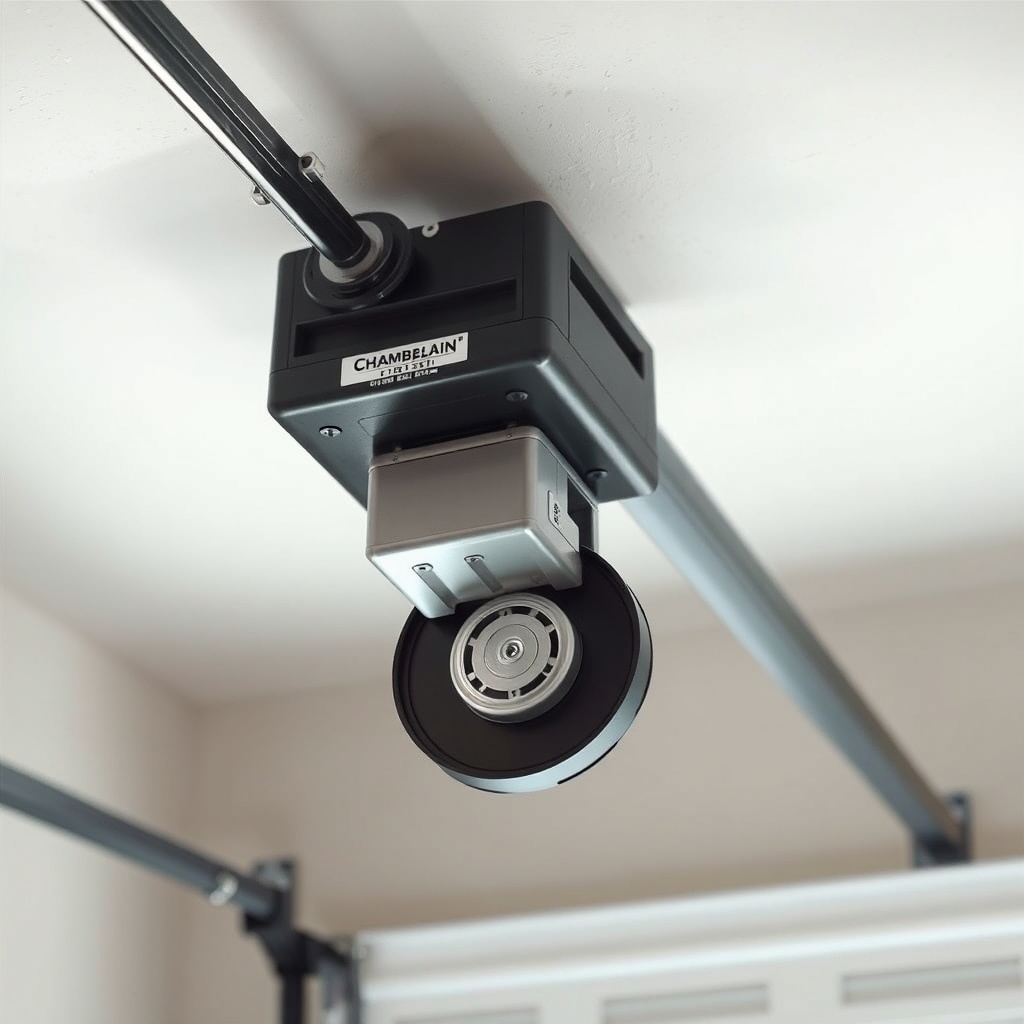
Slippage often manifests as a hesitation when the door begins to move, or a rubber-burning smell near the motor head. In more advanced cases, you might see the belt physically jumping or skipping on the sprocket. To confirm, open the motor cover and inspect the belt’s tension. A properly tensioned belt should have about ¼-inch of deflection when pressed at the centre point between the two sprockets. If it sags more than ½-inch, or feels loose, slippage is imminent. Also, listen for a high-pitched squealing sound during operation, which is a telltale sign of belt-on-sprocket slip.
What Are the Primary Causes of Belt Slippage in the Chamberlain B1381?
Several factors can cause the belt in your Chamberlain B1381 to lose its grip. The most common culprits include improper initial installation, normal wear and tear, extreme temperature fluctuations affecting the rubber compound, and physical damage to the belt teeth. Let’s break them down.
| Cause | Description | Severity | Typical Cost (GBP) |
|---|---|---|---|
| Improper Tension | Belt too loose or too tight from factory or after adjustment. | Medium | £0 (DIY adjustment) |
| Worn Belt Teeth | Teeth become rounded or sheared off, losing engagement with sprockets. | High | £25-£40 for replacement belt |
| Temperature Extremes | Rubber hardens in cold or softens in heat, reducing grip. | Low-Medium | £0 (insulate garage) |
| Misaligned Sprockets | Sprocket not seated properly on motor or idler pulley. | High | £50-£80 professional fix |
| Debris or Lubricant | Oil/grease on belt or sprocket surfaces reduces friction. | Low | £5 for cleaner |
Poor tension is the most easily fixed issue, while worn teeth typically require full belt replacement—a job outlined in our guide on Chamberlain B1381 Motor Replacement: Step-by-Step Guide, since the belt removal process is similar. Temperature extremes can be mitigated by insulating your garage, but if the belt has already stretched, replacement is the only permanent solution.
How Do I Fix a Loose Belt on My Chamberlain B1381?
If the belt is slipping because it is too loose, adjusting the tension is a straightforward DIY task. First, disconnect the opener from power to avoid accidental activation. Locate the adjustment bolt on the motor unit’s rail, near the sprocket cover. Using a 7/16-inch socket, turn the bolt clockwise to tighten the belt. The correct tension is achieved when the belt has about ¼-inch of play at the centre of its span, measured by pressing down firmly with your finger.
After adjustment, plug the opener back in and run a full cycle. The belt should not flap or slap against the rail. If the belt still slips after tensioning, the problem might be with the sprocket itself. In rare cases, a loose set screw on the motor shaft can cause the sprocket to spin freely—this requires removing the sprocket cover and tightening the screw with a hex key (typically 5/32-inch). For a more thorough check of motor-related issues, see our Chamberlain B1381 Error Code Analysis: Common Codes Decoded guide, as error code 2 often points to speed or torque problems linked to belt slip.
When Should I Replace the Belt on My Chamberlain B1381?
Belt replacement becomes necessary when the teeth are visibly damaged, the belt has stretched beyond the tensioning bolt’s adjustment range, or the rubber has cracked from age (typically after 5-7 years of heavy use). Another clear sign is when the door moves in jerky increments despite proper tension, indicating that the belt is slipping intermittently on the sprocket.
To replace the belt, you’ll need a replacement Chamberlain B1381 belt kit (part number 041B0038 or compatible). The process involves disconnecting the door, removing the motor from the rail, sliding out the old belt, and threading the new one. This is a moderate DIY job requiring a second person to handle the rail assembly. If you are unsure about handling the motor and rail, consult Chamberlain B1381 Motor Replacement: Step-by-Step Guide for safety steps. Note that replacing the belt is also an opportune time to inspect the idler pulley and sprocket for wear—replacing these simultaneously can prevent future slippage.
Can a Slipping Belt Damage the Motor or Door System?
Yes, prolonged belt slippage can cause significant secondary damage. The most immediate risk is to the motor’s drive gear. When the belt slips, the motor may overheat as it struggles to maintain speed, potentially burning out the winding insulation. This often leads to error code 1 (motor failure) or code 2 (speed sensor problem). Additionally, the jerking motion can stress the torsion spring and cables; if a spring snaps, it can cause the door to crash down unexpectedly. Regular inspection of the entire system, including Chamberlain B1381 Spring Repair: Torsion vs Extension, is recommended to catch issues early.
Furthermore, a slipping belt can cause the limit switches to drift, resulting in the door not closing fully or reversing prematurely. This not only compromises security but also puts strain on the opener’s circuit board. Replacing a belt costs much less than replacing a motor or circuit board—typically around £25-£40, compared to £160-£250 for a new motor assembly. For a comparison of this opener with other models, see our Best Garage Door Openers Review: Chamberlain vs LiftMaster vs Genie.
What Owners Say About Chamberlain B1381 Belt Slippage
In online forums and product review sections, owners of the Chamberlain B1381 generally praise its quiet operation and power but note belt slippage as a recurring complaint. One owner from Manchester reported, “After 18 months of daily use, the belt started to squeal. I tightened it per the manual, but within two months, it was slipping again. I found the sprocket had a hairline crack.” Another user in Scotland mentioned, “The cold winter months are tough on the belt. It becomes stiff and noisy. I ended up replacing the belt and insulating my garage ceiling.”
Owners also emphasise the importance of regular maintenance: lubricating the rail and checking belt tension twice a year. Several DIY enthusiasts recommend upgrading to a Kevlar-reinforced belt (available as an aftermarket part) to reduce future wear. However, most agree that if caught early, a simple tension adjustment resolves the issue. For more complex fixes, such as cable issues from belt slip, refer to our Chamberlain B1381 Cable Replacement: Step-by-Step DIY Tutorial.
Frequently Asked Questions
1. How much does it cost to fix a slipping belt on a Chamberlain B1381?
If it is only a tension adjustment, it costs nothing—just your time. Replacing the belt typically costs £25-£40 for the part. Professional installation adds £60-£100 labour, depending on your area.
2. Can I lubricate the belt to stop slipping?
No. Lubricating the belt will worsen the problem by reducing friction. Keep the belt and sprockets clean and dry. Only the rail and chain/ belt track should be lubricated with a dry silicone spray.
3. How do I know if the belt or the sprocket is worn?
Inspect the belt teeth—if they are rounded, cracked, or missing, the belt is worn. If the belt looks fine, examine the sprocket for worn, chipped, or missing teeth. Also, check the sprocket’s set screw on the motor shaft.
4. Does the Chamberlain B1381 have a safety feature that stops when the belt slips?
Yes. The unit has a Chamberlain B1381 Safety Sensor Alignment: Quick Fix Guide system that detects obstruction, but it does not have a dedicated belt slip sensor. However, sustained slippage may trigger error codes 1, 2, or 9 due to speed/torque inconsistencies.
5. Will a slipping belt affect my garage door’s security?
Yes. A belt that slips during closing can prevent the door from latching fully, leaving your garage vulnerable. It can also cause the door to reverse unexpectedly, which is a security risk if you rely on automatic locking.
6. Can I convert my Chamberlain B1381 from belt to chain drive?
No. The motor unit and rail are designed specifically for belt drive. Converting would require a completely new rail assembly and is not cost-effective. If you prefer chain drive, consider a different model.