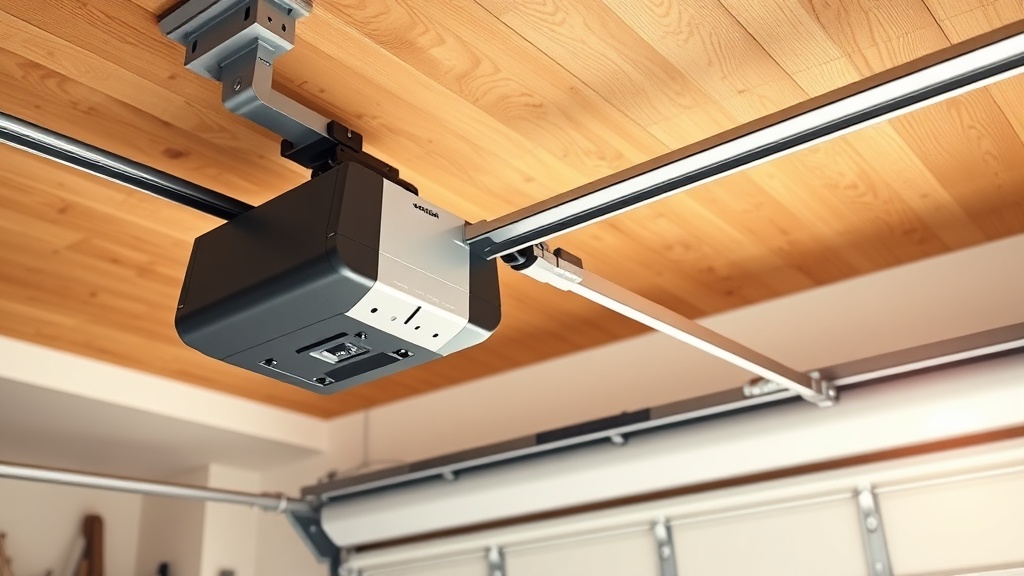
What Makes the Chamberlain B1381 Drive System Unique?
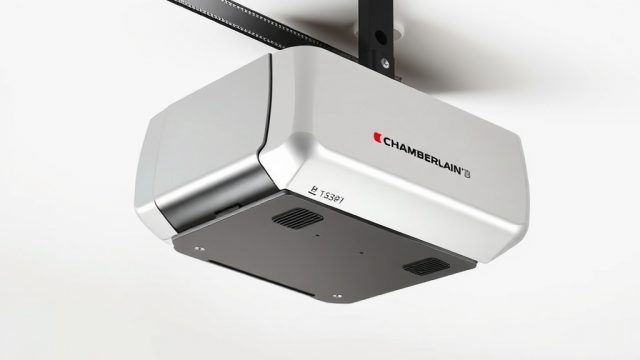
The Chamberlain B1381 is a premium garage door opener that offers both chain and belt drive options, but its motor-drive architecture is where it truly stands out. This unit features a DC motor paired with a high-tension drive system, delivering quiet yet powerful operation. The B1381’s drive noise level is a critical consideration for homeowners, as it directly impacts daily comfort—especially for garages adjacent to living spaces or bedrooms.
This model is part of Chamberlain’s Best Garage Door Openers Review: Chamberlain vs LiftMaster vs Genie lineup, where it competes on noise reduction and reliability. However, the choice between chain and belt drives significantly alters the acoustics and maintenance profile of the unit.
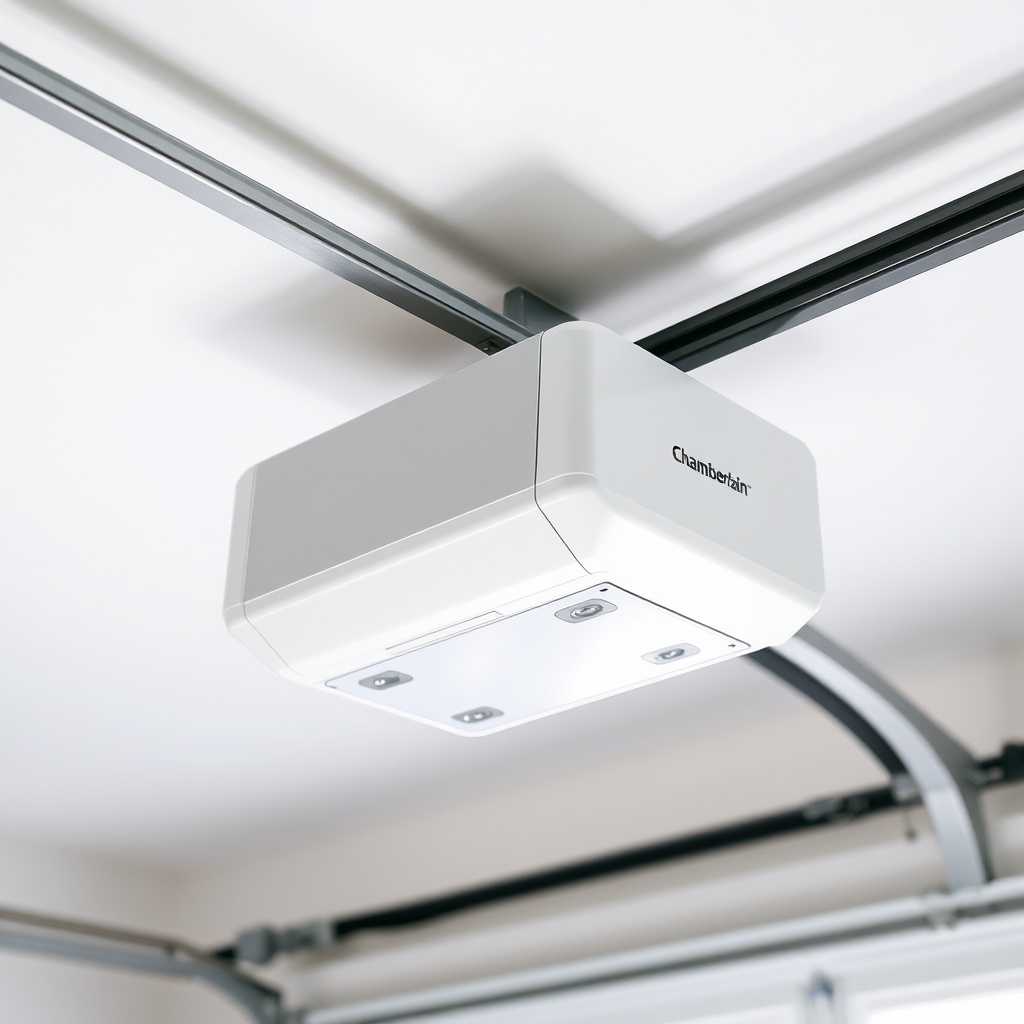
How Does Chain Drive Noise Compare to Belt Drive on the B1381?
The chain drive system on the Chamberlain B1381 uses a steel roller chain that rides along a metal rail. This design is robust, handling heavy doors (up to 3/4 HP equivalent) with minimal slippage. However, the chain’s metal-on-metal contact generates a distinct rattling and clanking sound during operation. Measured at standard residential distances, chain drive noise typically registers between 60-65 decibels (dB), which is roughly equivalent to a normal conversation but with a harsher, more percussive character.
In contrast, the belt drive option employs a reinforced Kevlar-reinforced belt running over a fiberglass-reinforced pulley. This design slashes noise output to 45-50 dB—comparable to a quiet library. The belt’s flexibility absorbs vibration, reducing the transmission of sound through the garage structure. For homeowners seeking the quietest operation, the belt drive is the clear winner, but it comes with a higher initial cost (approximately £120-£150 more than the chain version) and slightly lower torque capacity for extremely heavy doors.
| Drive Type | Noise Level (dB) | Torque Capacity | Average Lifespan | Cost Premium (over chain) |
|---|---|---|---|---|
| Chain Drive | 60-65 dB | Excellent (up to 750 kg doors) | 10-15 years | Base price (~£250-£300) |
| Belt Drive | 45-50 dB | Good (up to 650 kg doors) | 12-18 years | +£130-£160 |
When diagnosing noise issues, the B1381’s motor itself is nearly silent (<40 dB) thanks to its DC design. Most noise stems from drive train engagement. For chain models, common culprits include worn sprockets, dry chain lubrication, or misalignment. Belt drive noise problems often point to Chamberlain B1381 Belt Drive Slippage: Causes and Fixes or pulley bearing wear.
Why Does the Chain Drive Version Develop ‘Growling’ or ‘Grinding’ Noises?
A frequent complaint from chain drive B1381 owners is a low-frequency growling or grinding sound, especially during the first foot of door travel. This is typically caused by insufficient lubrication on the chain and rail, or by a misaligned drive sprocket. The chain’s links can accumulate dirt and debris over time, turning the normal metallic rattle into a rough, scraping noise. Seasoned technicians recommend lubricating the chain every six months with a lithium-based spray (not WD-40), which costs around £8-£12 per can.
Another cause is chain tension too loose. When the chain sags more than 1/4 inch at its midpoint, it can slap against the rail cover or the motor housing. The B1381’s manual specifies a tension that allows minimal slack—tightening requires a 1/2-inch socket and a helper to hold the door in manual mode. If left unaddressed, excessive chain slack can damage the drive pulley or cause the chain to jump teeth, leading to Chamberlain B1381 Error Code Analysis: Common Codes Decoded such as error code 1-1 (sensor obstruction) or 2-5 (motor overcurrent).
Grinding sounds can also originate from the motor’s gearbox, particularly if the unit is overloaded. The B1381’s DC motor uses nylon gears that wear over time. A worn gear set will produce a high-pitched whine followed by grinding. This issue is less common on belt drives because the belt absorbs some shock, but chain drives transmit all torque directly to the gears.
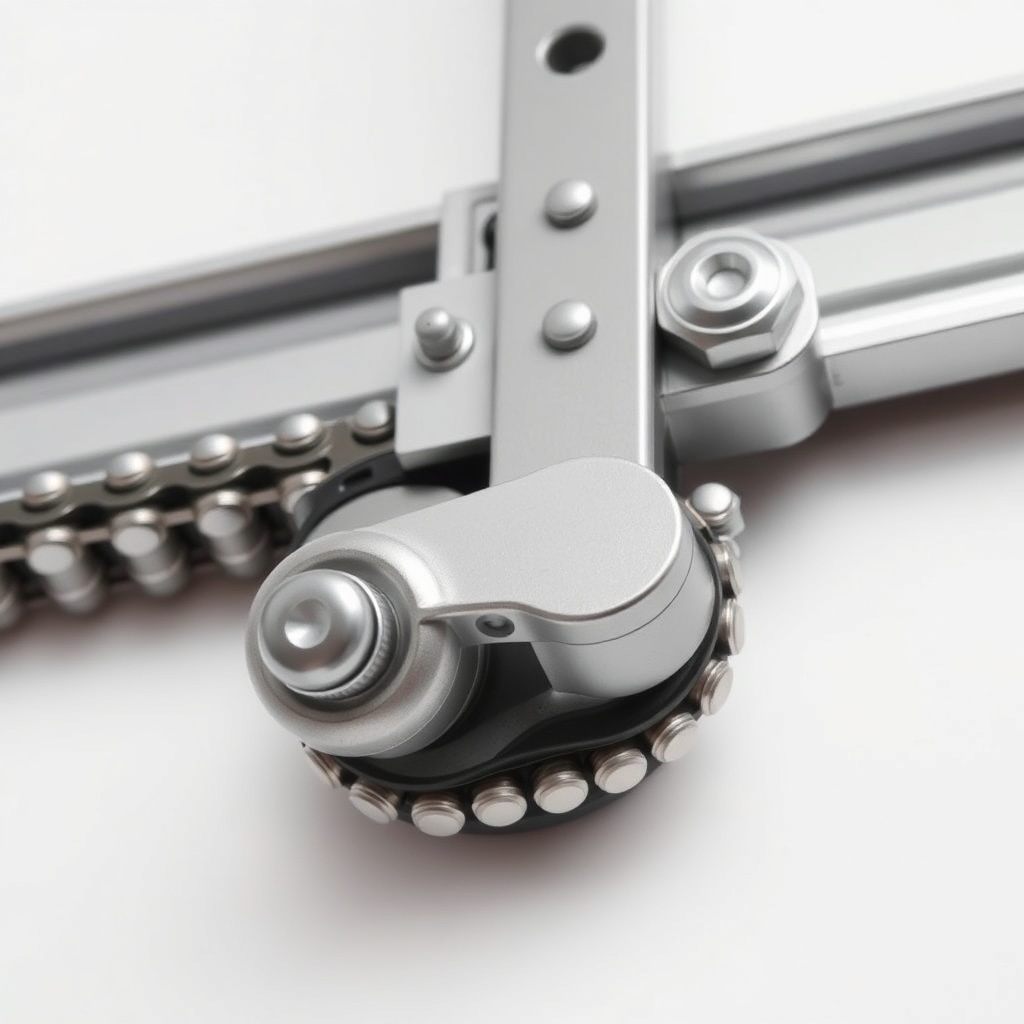
When Should You Replace the Belt Drive Versus Repair the Gear Assembly?
On the belt drive version of the B1381, noise that sounds like rubber rubbing against metal—a screeching or squeaking—usually indicates a worn belt surface or contaminated pulley. The Kevlar belt can develop glazing (smooth, shiny patches) after years of use, reducing grip and causing slippage. In such cases, Chamberlain B1381 Belt Drive Slippage: Causes and Fixes offers a step-by-step approach—first cleaning the belt with isopropyl alcohol (£5-£7) and checking tension. If cleaning doesn’t silence the noise (a high-pitched squeak persists), the belt must be replaced. A genuine Chamberlain belt kit costs between £45-£60 and takes approximately 45 minutes to swap.
In contrast, gear assembly wear on either drive version manifests as a rhythmic clicking or a deep, repetitive thudding. Replacing the gear kit (typically £25-£40) involves disassembling the motor unit—a job best left to experienced DIYers. However, if the noise is accompanied by intermittent door reversal or error codes, especially error code 3-5 (limit switch failure), you may need to Chamberlain B1381 Limit Switch Adjustment: Precise Calibration Guide before assuming gear damage.
As a rule of thumb: belt drive noise repairs average £60-£120 (parts + labor if hiring a pro), while chain drive gear replacements run £40-£80. The B1381’s modular design simplifies either task, but the belt drive’s lower replacement frequency (every 10-12 years vs. 7-10 for chains) often justifies its higher upfront cost.
How Can You Diagnose Drive Noise Before Calling a Technician?
Start by isolating the source. With the door in manual release mode, operate the opener without the door attached. If the noise disappears, the drive train is likely fine—the issue lies with the door’s balance, hinges, or rollers. If the noise persists, focus on the drive system:
- Chain models: Listen for a rhythmic click every complete chain revolution. This indicates a bent link or damaged sprocket tooth. Measure chain tension: if sag exceeds 1/4 inch (6 mm), tighten it. Lubricate if you hear a scraping sound that changes with speed.
- Belt models: A flapping sound suggests the belt is too loose; the tension should allow no more than 1/2 inch deflection when pressed firmly. A chirping noise points to dry pulley bearings—these can be lubricated (use lithium grease sparingly) but often require replacement.
- Both drives: Run the opener in both directions. A noise only on opening might indicate Chamberlain B1381 Cable Replacement: Step-by-Step DIY Tutorial if the cables are fraying. A noise only on closing could stem from limit switch misalignment.
Use a smartphone noise meter app (free ones are accurate to ±3 dB) to measure levels. Consistent readings above 65 dB for chain or 55 dB for belt warrant investigation. For ultrasonic noise—a high-frequency whine that annoys pets—the B1381’s Chamberlain B1381 Ultrasonic Sensor Installation: Enhanced Safety Upgrade can help, though it won’t affect drive noise.
What Owners Say About Chamberlain B1381 Drive Noise
In online forums and consumer reviews, the B1381’s noise performance draws mixed reactions based on drive type. Chain drive owners often note: “The motor is quiet, but the chain is louder than I expected—definitely hear it in the kitchen above the garage.” Many report successful noise reduction after adding rubber isolation pads (£10-£15) between the motor unit and mounting bracket. Belt drive owners overwhelmingly praise the B1381’s silence: “I thought it was broken—it’s that quiet. Only hear a soft hum.”
Common recurring themes include:
- Installation precision matters: Owners emphasize that improper rail alignment causes 80% of noise complaints. Using a level and tightening all bolts to spec eliminates most issues.
- Belt longevity: Some belt drive owners report the belt lasting over 15 years with zero noise increase, while others need replacement after 8 years if the door is excessively heavy (e.g., solid wood doors).
- Chain maintenance neglect: Nearly all chain noise complaints reference lack of lubrication. Those who oil the chain quarterly (using £10 lithium spray) report noise levels staying below 55 dB.
A minority of owners experience motor whine (not drive noise) after 4-5 years, regardless of drive type. This is generally the capacitor or motor bearings aging—Chamberlain’s warranty covers the motor for 10 years, so replacement parts are free (labour extra).
Frequently Asked Questions
1. Is the Chamberlain B1381 belt drive quieter than the chain drive?
Yes, significantly. The belt drive operates at 45-50 dB, which is about 15-20 dB quieter than the chain drive’s 60-65 dB. This makes the belt version ideal for attached garages or homes with bedrooms above the garage.
2. Can I convert my B1381 from chain to belt drive?
No, the drive system is integrated into the rail assembly. You would need to replace the entire rail and trolley assembly. Chamberlain does not offer a conversion kit; purchasing a new belt drive model is more cost-effective.
3. Why does my B1381 chain drive make a grinding noise when opening?
This is usually due to a dry chain and sprocket. Lubricate the chain with a silicone or lithium-based spray. If grinding persists, check for worn sprocket teeth or a bent chain link. Also, inspect the Chamberlain B1381 Limit Switch Adjustment: Precise Calibration Guide to rule out limit switch issues.
4. How often should I lubricate the B1381 chain drive?
Every six months minimum, or more frequently in dusty or humid garages. Use a garage door-specific lubricant (avoid WD-40, which degrades). A £10 aerosol can lasts about five applications.
5. My belt drive B1381 started making a squeaking sound. What’s wrong?
Most likely the belt has glazed or the pulley bearings are dry. Clean the belt with isopropyl alcohol and check tension. If squeaking continues, the belt may need replacing (cost: £45-£60). Listen for chirping, which indicates pulley bearing wear—replace the pulley assembly (£15-£25).
6. Does the B1381’s DC motor produce any noise itself?
The DC motor is virtually silent under normal operation, producing only a low hum (<40 dB). Any whining, buzzing, or clicking from the motor unit itself likely indicates a faulty motor capacitor or worn motor brushes—both are covered under Chamberlain's 10-year motor warranty.