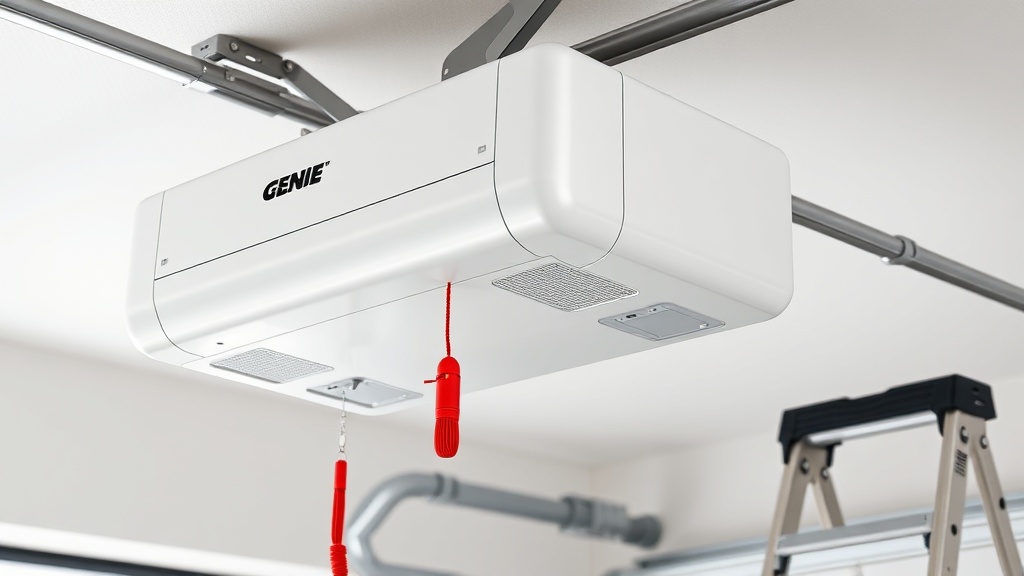
Introduction: Why Spring Tension Matters on the Genie SilentMax 1200
The Genie SilentMax 1200 is a robust belt-drive opener, but even the best mechanism can’t compensate for poorly adjusted springs. If your door feels heavy, jerks during travel, or won’t stay open halfway, the torsion or extension springs likely need a tension tweak. This DIY tutorial walks you through safe, step-by-step spring tension adjustment specific to the Genie SilentMax 1200, using tools you probably already own. Always disconnect the opener before touching springs—these components store lethal energy.
How Do I Know If My Genie SilentMax 1200 Springs Are Too Loose or Too Tight?
A properly tensioned spring system should counterbalance the door’s weight so the opener does less than 20% of the lifting. With the SilentMax 1200 disengaged (pull the red emergency cord), manually lift the door halfway. If it stays put, tension is correct. If it crashes down, springs are too loose. If it shoots upward, they’re too tight. You’ll also notice the motor laboring or the belt straining when operating—classic signs of imbalance.
For a full motor noise diagnostic, read our Genie SilentMax 1200 Motor Noise Diagnosis and Repair guide to rule out other causes.
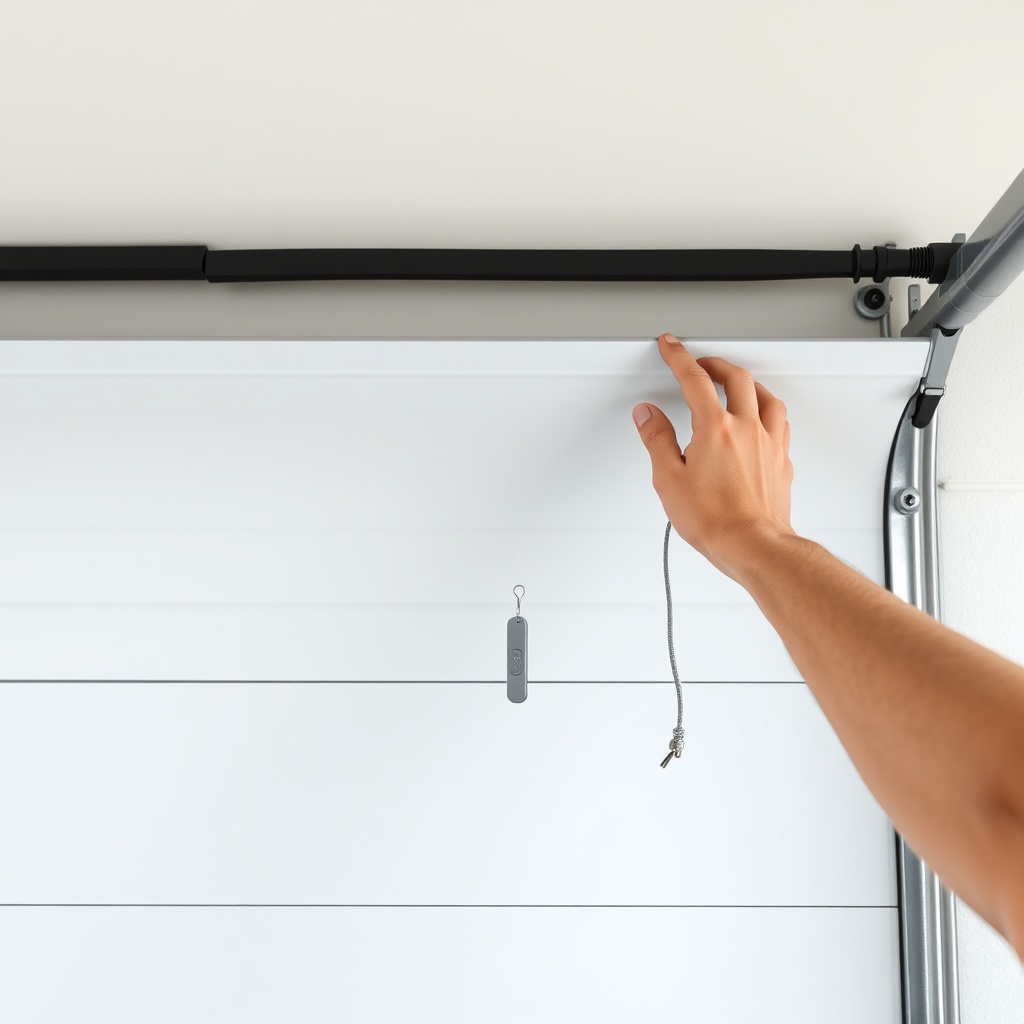
What Tools Are Recommended for Genie SilentMax 1200 Spring Tension Adjustment?
You’ll need a set of winding bars (two 18-inch steel rods, typically 5/8-inch diameter for torsion springs), a socket wrench with 7/16-inch and 1/2-inch sockets, a ladder, safety glasses, and heavy gloves. For extension springs, you’ll need a pair of locking pliers and a rope or cable to secure the spring. Avoid using screwdrivers or rebar as winding bars—they can snap under pressure. The Genie SilentMax 1200 works with either torsion or extension spring systems; confirm your setup before starting.
- Torsion springs: winding bars, socket wrench, ladder
- Extension springs: locking pliers, safety cable, gloves
How to Safely Adjust Torsion Springs on a Genie SilentMax 1200
Adjusting torsion springs requires precision. Start by fully closing the door and disconnecting the opener. Insert one winding bar into a hole on the winding cone, then the second bar into the next hole—never rely on just one bar. Turn the bar toward the center of the door to tighten (increase tension) or away to loosen (decrease). Each full turn changes tension by roughly 10% on a standard 7-foot door. For a typical 150-pound door, two or three quarter-turns often fix a minor drift. Recheck balance after every full turn.
After adjustment, reconnect the SilentMax 1200 and test operation. If the door still binds, check sensor alignment with our Genie SilentMax 1200 Sensor Replacement: Compatible Parts Guide.
How to Adjust Extension Springs on a Genie SilentMax 1200
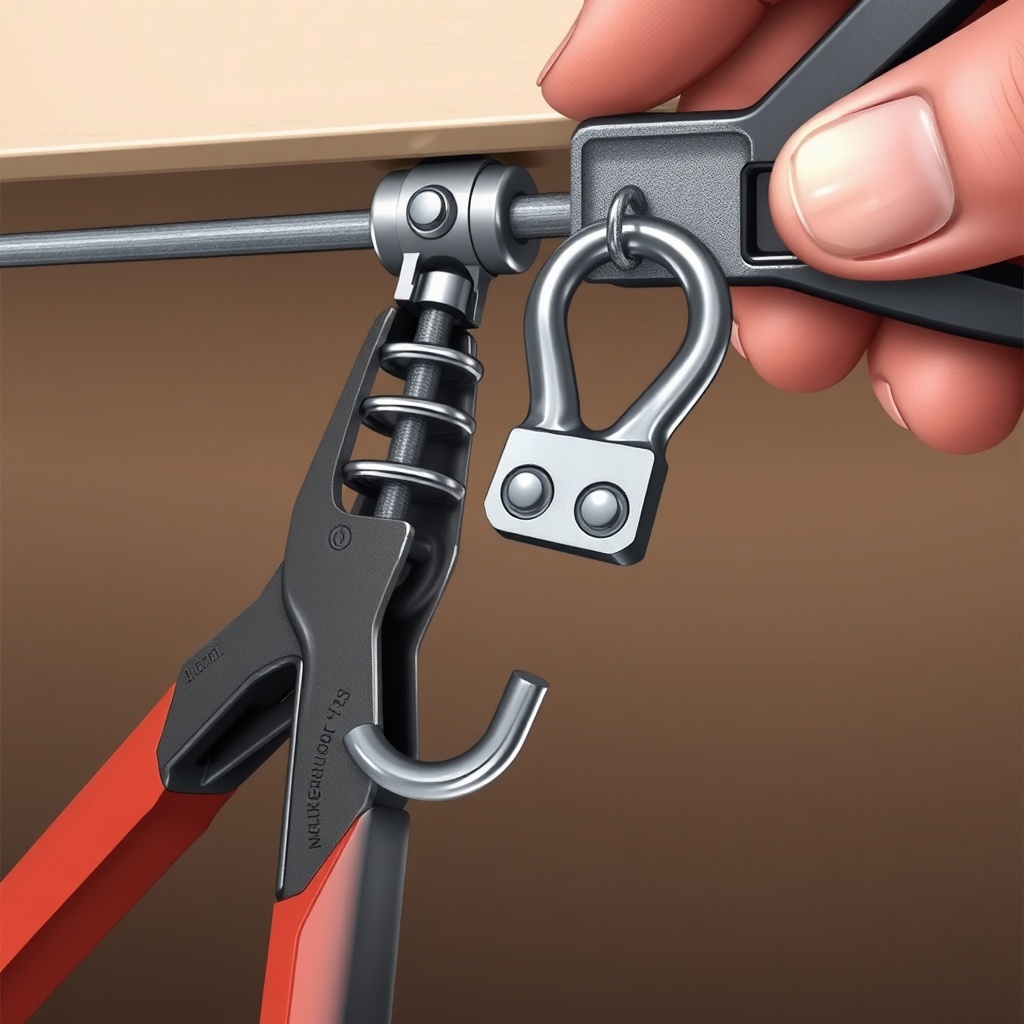
Extension springs run along horizontal tracks above the door. To adjust: with the door closed, use locking pliers to clamp the spring cable just ahead of the spring. Loosen the nut on the S-hook or looped end, move the hook to a higher slot for more tension or a lower slot for less, then retighten. Repeat equally on both sides—uneven tension causes the door to twist. A good starting point: if the door rises too fast, move hooks down one notch. The Genie SilentMax 1200’s DC motor can compensate for minor imbalances, but severe asymmetry will damage the belt drive.
For wireless connectivity issues post-service, see our Genie SilentMax 1200 WiFi Setup Issues: Solutions & Tips.
What Is the Correct Tension for a Genie SilentMax 1200 Garage Door?
There’s no universal “tightness” number—it depends on door weight and spring gauge. A good rule: the door should open about 1/3 of the way with manual effort and stay there. For a typical residential steel door (16×7 feet, around 130–170 pounds), torsion springs usually need 10 to 12 full turns of tension. Extension springs on a standard 7-foot door typically require 6 to 8 inches of stretch from their free length. Always consult the spring manufacturer’s chart if you’re unsure. Over-tensioning can snap cables or warp the door, while under-tensioning forces the SilentMax 1200 to overwork.
| Symptom | Severity Level |
|---|---|
| Door drifts down slowly after manual lift | Usually not urgent—adjust springs by 1/4 turn |
| Door falls rapidly or jerks during opener operation | Needs attention soon—check springs and cables |
| Opener motor runs but door doesn’t move | Needs immediate inspection—spring or cable failure |
Can I Replace Springs on a Genie SilentMax 1200 Myself?
Spring replacement is more complex than simple tension adjustment and carries severe injury risk. We recommend hiring a professional for full replacement—costs in the UK range from £80 to £150 for a pair of standard torsion springs. If you’re determined to DIY, match the spring’s wire gauge, inner diameter, and length exactly to your existing setup. For the SilentMax 1200, avoid mismatched springs because the opener’s soft-start and stop features rely on consistent counterbalance. After replacement, always test the door’s balance again.
If you also need a battery backup, check our Genie SilentMax 1200 Battery Backup Installation Guide for seamless integration.
What Owners Say About Adjusting Springs on the Genie SilentMax 1200
Many UK users report that after a simple two-turn adjustment, their SilentMax 1200 runs quieter and the belt no longer chatters. One owner noted, “I thought the motor was dying, but it was just loose springs. After tightening them two full turns, it’s like new.” Another pointed out that extension springs on older doors can rust, making adjustment difficult—lubricate them with WD-40 before moving hooks. A third said, “The winding bars are essential—don’t try to use a screwdriver. I learned the hard way.”
Frequently Asked Questions
How many turns do I need for a Genie SilentMax 1200 torsion spring?
Most standard 7-foot doors require 10 to 12 full turns of the winding cone. Start with 10 turns, check balance, and add one turn at a time if needed.
Can I adjust springs with the Genie SilentMax 1200 still connected?
No, always pull the emergency release to disconnect the opener before adjusting springs. Leaving it connected can damage the opener’s worm gear.
What if my door springs are broken—can the SilentMax 1200 still lift it?
No. A broken spring means zero counterbalance—the opener will struggle, burn its motor, or crash down. Never operate the opener with a broken spring.
Do I need to adjust both springs equally?
Yes. Uneven tension causes the door to twist and bind in the tracks. Measure and adjust each side independently after locking the door in a balanced position.
How often should I check spring tension on a Genie SilentMax 1200?
At least once a year, or whenever you notice the door moving sluggishly or making unusual sounds. Seasonal temperature changes can also affect spring tension.
Is it safe to use a spring tensioning tool from a local hardware store?
Yes, but ensure it’s rated for your spring’s wire gauge (typically .250 to .375 inches). Cheap tools can slip—invest in quality winding bars from brands like Snap-On or Dewalt.