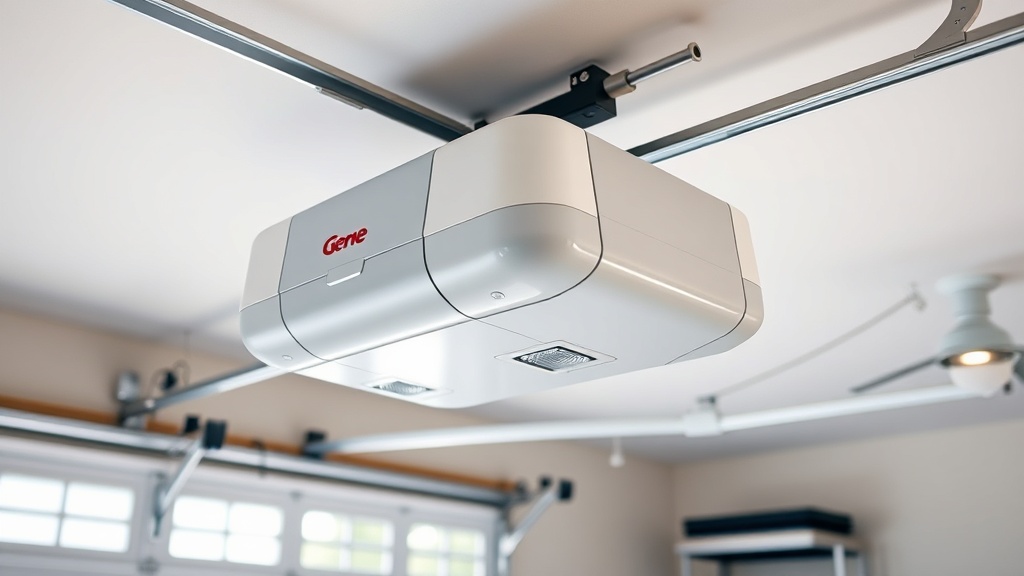
Genie SilentMax 1200 Sensor Replacement: Compatible Parts Guide
If your Genie SilentMax 1200 opener is reversing unexpectedly or refusing to close, the safety sensors—not the springs or motor—are often the culprit. This guide offers a practical, part-specific approach to diagnosing sensor issues and finding replacements that actually work with the SilentMax 1200, saving you time and avoiding incompatible aftermarket parts.
We cover why the IR beam is essential for safety, how to test sensor alignment, and which models from Genie and trusted third parties are compatible. You’ll also learn when to replace just the sensors versus the entire opener, plus cost-effective fixes that keep your door operating reliably.
Why Does My Genie SilentMax 1200 Reverse Randomly?
Random reversing when closing is the classic symptom of misaligned or failing safety sensors. The SilentMax 1200 uses a pair of infrared (IR) photocells—one sending, one receiving—mounted low on both sides of the garage door. When the beam is broken, the opener immediately reverses to prevent injury. However, gradual misalignment or sensor degradation can cause intermittent issues that mimic a spring problem or motor fault.
Common Causes of False Reversals
- Vibration or door movement knocking the sensors out of line
- Dirt, cobwebs, or frost on the sensor lenses
- Loose sensor brackets after years of operation
- Voltage drop in the sensor wiring (older homes with long runs)
- Direct sunlight hitting the receiving sensor, temporarily blinding it
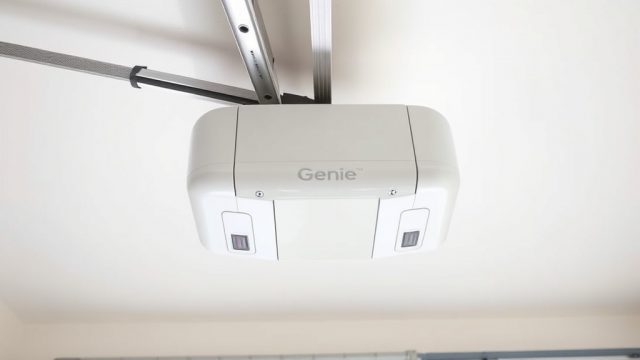
Before buying parts, clean both lenses with a soft, dry cloth and check that the brackets are tight. Use the opener’s diagnostic LEDs—most SilentMax 1200 models have two lights on the power head or sensor. One flashing LED often indicates sensor misalignment, while two flashing LEDs point to wiring issues.
If you’ve ruled out these simple fixes and the problem persists, it’s time to test sensor output with a multimeter or try a known-good replacement. For help ruling out other causes, see our guide on Genie SilentMax 1200 Spring Tension Adjustment: DIY Tutorial—though springs rarely cause random reversing.
Which Safety Sensors Are Compatible with the SilentMax 1200?
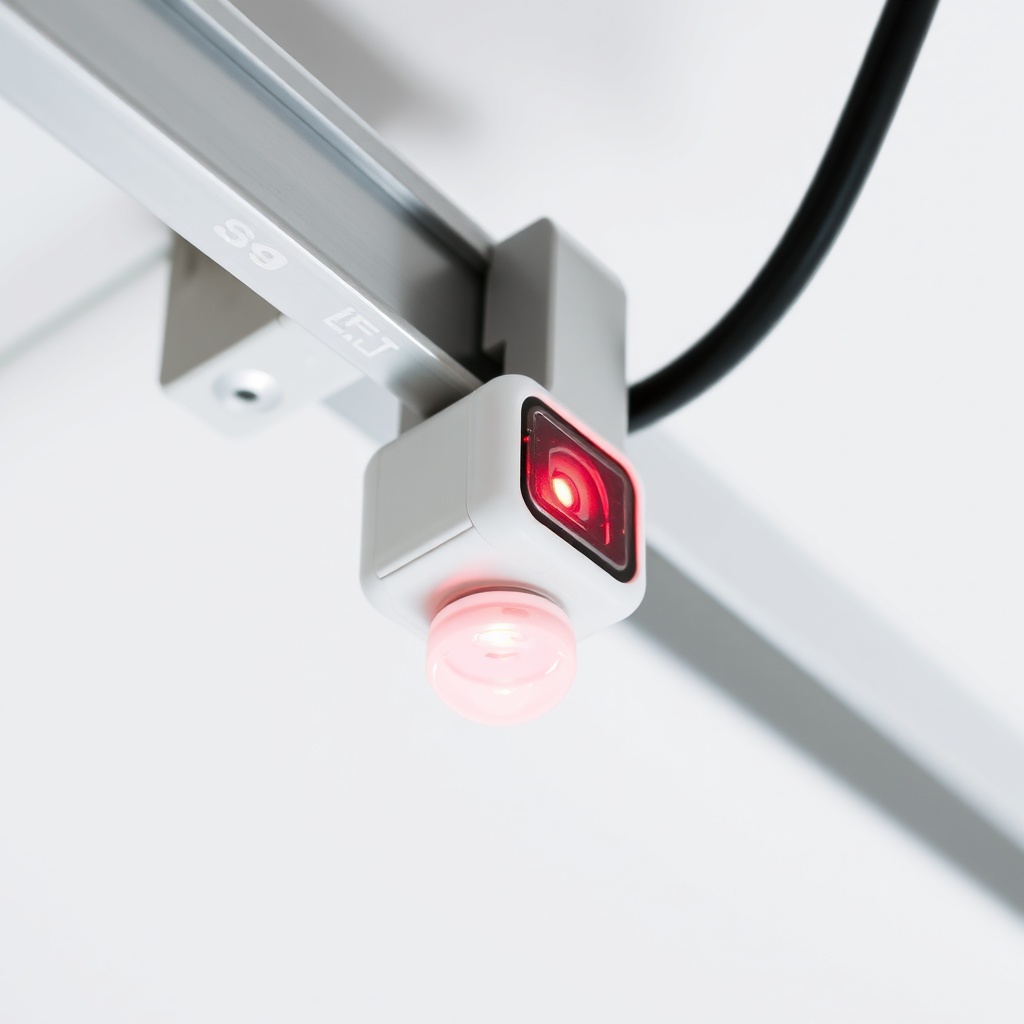
The Genie SilentMax 1200 uses industry-standard 3-wire sensors (black, white, red/green) with a 5-pin connector at the opener head. While many aftermarket sensors claim compatibility, not all deliver reliable performance with Genie’s reversing logic. The table below lists part numbers and practical notes for replacement sensor sets.
| Part / Model | Compatibility Note |
|---|---|
| Genie Safe-T-Beam (36119R.S) | OEM replacement; fits all Genie openers with 3-wire sensors, including SilentMax 1200. Includes brackets and 22-gauge wire. Price around £25–£35 for a pair. |
| Genie 20388R.S / 20388V | Direct OEM replacement for many 2000s-era SilentMax models. Check connector shape—rectangle vs. trapezoid. Price £20–£30. |
| Chamberlain / LiftMaster 41A5034 | Uses 3-wire standard but wiring order differs. Works only with an adapter or by splicing wires to match Genie’s colour code. Not recommended unless you have electrical experience. |
| Universal Garage Door Sensor Pair (e.g., Linear, Skylink) | Typically 3-wire but may require rewiring the connector. Compatibility varies; some users report intermittent faults. Price £12–£18 per pair. |
| Genie 37224R.S (battery-backup sensor kit) | Specifically for models with battery backup but physically identical to standard sensors. Works fine on SilentMax 1200 without backup. Price £28–£38. |
Bottom line: For reliability, stick with Genie Safe-T-Beam or a direct Genie part. The extra £10–£15 compared to universal sensors is worth avoiding phantom reversing and false safety activation.
If your opener has a battery backup module and you’re replacing sensors anyway, consider upgrading to the battery-backup sensor kit—it simplifies wiring if you also plan to install a backup unit. See our Genie SilentMax 1200 Battery Backup Installation Guide for full instructions.
How Do I Test the Sensors on My SilentMax 1200?
Testing is straightforward with a multimeter or the opener’s own diagnostic lights. The SilentMax 1200’s logic board will flash error codes even if the sensors appear physically aligned.
Three-Step Diagnostic
- Check sensor alignment: Both sensor lenses should face each other perfectly. Use a level to ensure they’re at the same height (typically 6 inches above floor) and parallel. Tighten brackets with a 1/4-inch nut driver.
- Use the LED indicator: On most SilentMax 1200 power heads, a steady green LED means sensors are good; a flashing green or red LED indicates a fault. Consult your opener’s manual for exact codes—common patterns include one flash for misalignment, two for disconnected wires.
- Multimeter test: Set the multimeter to AC voltage (20V range). With sensors powered (opener plugged in), measure between the white and black wires at the sensor end. A healthy pair should show about 12–15V AC. Then measure between white and red/green at the opener connector—should be similar. Voltage drop below 10V often indicates a wiring fault.
If you get no voltage at the sensor, the problem may be the opener’s logic board rather than the sensors themselves. In that case, check for blown fuses or burnt components near the sensor terminal block. For motor-related electrical issues, consult Genie SilentMax 1200 Motor Noise Diagnosis and Repair.
Is It Worth Replacing Sensors on an Older SilentMax 1200?
The SilentMax 1200 was manufactured roughly between 2005 and 2015. If your unit is over 10 years old and the sensors are failing, a simple sensor swap is often cheaper than replacing the whole opener. A new set of Genie Safe-T-Beam sensors runs £25–£35, whereas a new opener costs £150–£300 plus installation. As long as the motor and gearbox are otherwise healthy, a sensor replacement can extend the opener’s life by years.
When Replacement Makes Sense
- Sensor brackets are corroded or broken beyond repair
- Wiring from the sensors to the opener is damaged (e.g., chewed by rodents, cut during renovation)
- You’ve replaced sensors twice in the past 5 years—sign of a systemic issue
- The opener’s logic board is also faulty (sensors won’t fix that)
If you notice the motor straining, grinding, or your opener has other mechanical issues alongside sensor problems, it may be smarter to invest in a new opener. Our Genie SilentMax 1200 Motor Noise Diagnosis and Repair guide helps you assess motor health before committing to sensor replacement.
Can I Use Universal Sensors with the Genie SilentMax 1200?
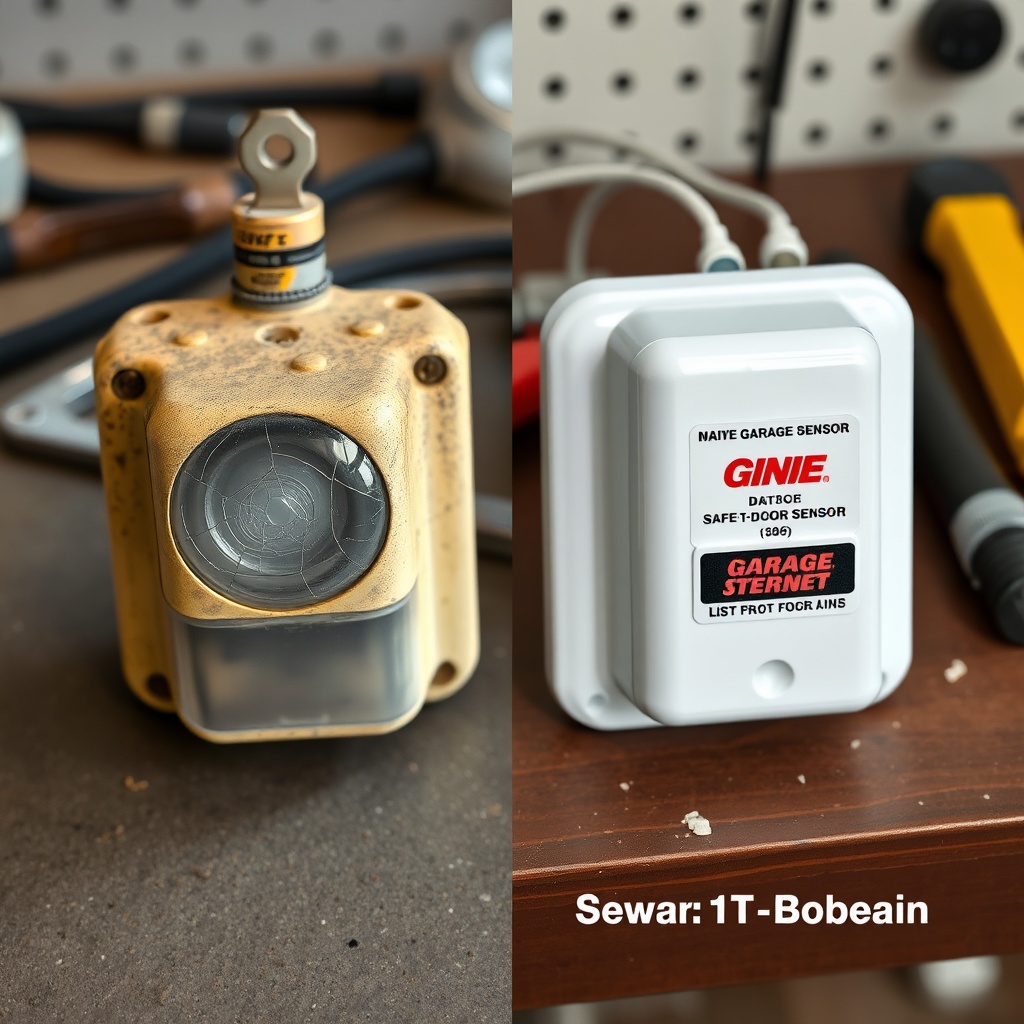
Yes, but with caveats. Universal sensors (often branded as “compatible with all major openers”) are a gamble. The Genie SilentMax 1200 uses a proprietary 5-pin connector and a specific wiring colour scheme: black for power, white for common, and red or green for signal. Many universal sensors use black/white/blue or black/white/white. To use them, you must:
- Cut off the Genie connector and strip the wire ends.
- Match wires based on function, not colour—use a multimeter to identify signal vs. power.
- Connect using wire nuts or a terminal block, then plug into the opener.
Even after correct wiring, some users report occasional false reversals because universal sensors may have different IR beam angles or sensitivity thresholds. If you’re comfortable with basic wiring and want to save £10, universal sensors can work. Otherwise, spending a bit more on Genie-specific parts is far less frustrating.
For those considering a smart opener upgrade, note that wireless sensor kits exist but are rare and not officially supported by Genie for the SilentMax 1200. Stick with wired sensors for reliable safety compliance.
What Owners Say
Homeowners and DIYers who’ve replaced sensors on their SilentMax 1200 share these real-world experiences:
- “The Safe-T-Beam sensors were a direct swap. Took 20 minutes. The old sensors had a tiny crack letting in moisture. No more random reversals.” — Mark, DIYer
- “I tried cheap universal sensors from Amazon. They worked for a month, then started false-reversing every time the sun hit them. Bought the Genie ones—no issues since.” — Sarah, homeowner
- “My installer told me the sensors were fine, but after I replaced them myself, the door worked perfectly. The wiring was loose inside the plastic housing.” — Jim, retired electrician
These anecdotes underline that sensor problems often mimic other issues—don’t assume the opener is toast just because it’s reversing. A simple replacement can restore normal function.
Frequently Asked Questions
How much does it cost to replace SilentMax 1200 sensors?
OEM Genie sensors cost £25–£35 for a pair (including brackets). Universal sensors are £12–£18, but may require wiring modifications. Labour for professional installation is typically £40–£60 if you hire a technician.
Do I need a professional to replace the sensors?
Not necessarily. If you’re comfortable with a screwdriver and basic wiring, replacement is DIY-friendly. The main risk is incorrect wiring, which can cause the opener to ignore safety sensors entirely—a dangerous condition. Always test the auto-reverse after installation (place a 2×4 under the door; it should reverse on contact).
Will sensor replacement fix my WiFi issues?
No. Sensor problems are separate from WiFi connectivity. If your SilentMax 1200 has WiFi connection problems, see our guide on Genie SilentMax 1200 WiFi Setup Issues: Solutions & Tips. Sensor replacement won’t affect network pairing.
Can I use sensors from a Chamberlain opener on my Genie?
Technically yes, but wiring must be adapted. Chamberlain sensors use different colour codes and sometimes a 3-pin connector. It’s easier to buy Genie-compatible sensors than to rewire and risk misconfiguration. If you do use them, ensure the IR beam is the same frequency (most are 3.5 kHz).
How long do Genie sensors last?
With proper alignment and clean lenses, OEM Genie sensors typically last 10–15 years. Environmental factors like humidity, temperature swings, and physical impact can shorten lifespan. Many SilentMax 1200 sensors from the mid-2000s are still working fine.
My sensors are both glowing but the door won’t close—what’s wrong?
If both LEDs are steady (indicating beam is intact), the issue may be with the opener’s logic board, a bad wire connection at the motor head, or a stuck limit switch. Check the sensor voltage at the opener with a multimeter—a reading below 10V AC suggests wiring resistance. If voltage is good, recalibrate the travel limits. For spring-related limit issues, see Genie SilentMax 1200 Spring Tension Adjustment: DIY Tutorial.