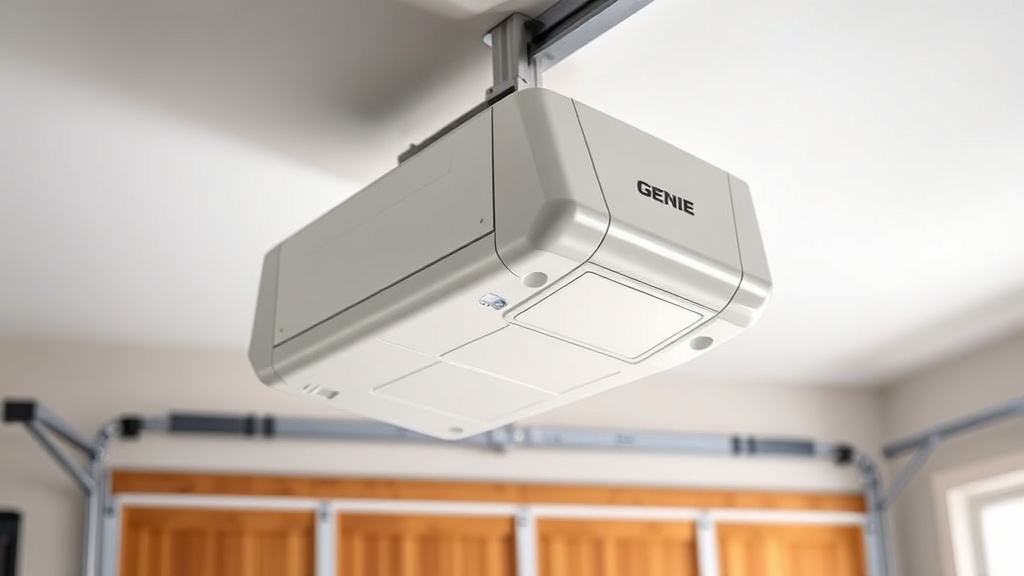
Genie SilentMax 1200 Motor Noise Diagnosis and Repair
If your Genie SilentMax 1200 starts making grinding, rattling, or humming noises, it’s often a sign of motor wear, loose components, or lubrication issues. This guide walks you through practical diagnosis steps and repair procedures to restore quiet operation without unnecessary expense.
What Causes the Genie SilentMax 1200 Motor to Make a Grinding or Scraping Noise?
Grinding or scraping sounds usually point to mechanical friction inside the motor assembly. The most common culprit is a worn out motor bearing or a debris-contaminated gear train. Over time, grease can dry out and collect dust, creating a paste that increases resistance. Listen carefully: if the noise changes when the door reverses direction, suspect the travel module or limit switch assembly. For a thorough inspection, consider checking the Genie SilentMax 1200 Spring Tension Adjustment: DIY Tutorial as incorrect spring tension can place extra load on the motor.
Action steps: Unplug the opener. Remove the motor cover (four screws) and manually rotate the coupler. If you feel resistance or hear grinding, the motor bearings likely need replacement. A simple clean and regrease of the worm gear may help—use only lithium-based garage door grease. If the noise persists, consider a motor replacement kit (part 20422R, around £45–£55).
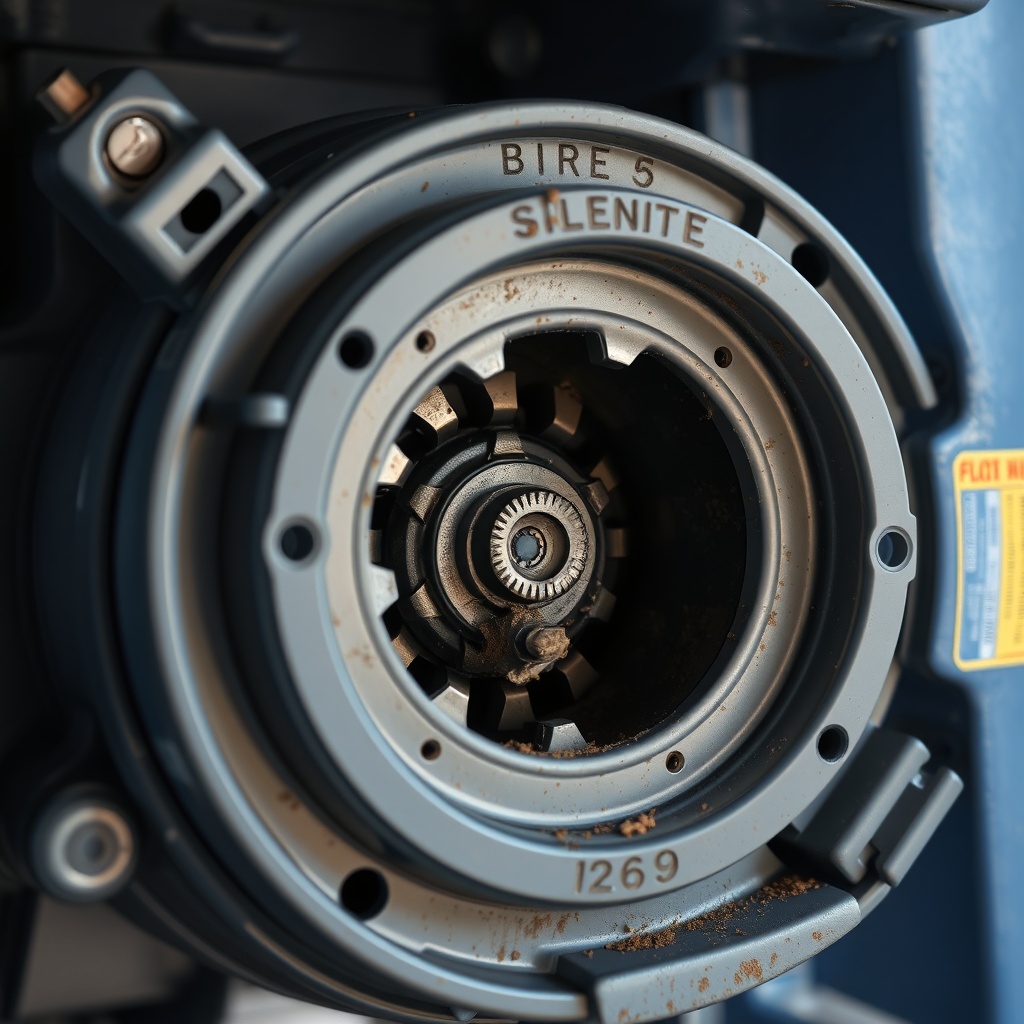
Why Is My Genie SilentMax 1200 Making a Loud Rattling or Vibrating Sound?
A rattling noise often stems from loose hardware, not the motor itself. The opener’s rail assembly, chain or belt tension, and mounting brackets can all loosen over time. Check the following points:
- Rail bolts: Tighten all rail-to-header bracket bolts with a 9/16-inch socket.
- Chain/belt tension: Adjust the tensioner bolt until the chain has about 1/4 to 1/2 inch of slack at the mid-point.
- Motor mount screws: Four screws securing the motor to the rail can back out—tighten evenly.
- Hanging brackets: Ensure the torsion spring bracket or angle iron isn’t vibrating against the opener.
If the rattling persists, inspect the plastic gear housing for cracks. A cracked housing can amplify motor noise and may require a replacement drive system. For persistent issues, reviewing the Genie SilentMax 1200 Battery Backup Installation Guide can help rule out electrical interference from a failing backup unit.
| Symptom | Likely Cause | Severity |
|---|---|---|
| Grinding noise, intermittent | Worn motor bearing | Usually not urgent (can run for weeks, but will worsen) |
| Rattling, structural vibration | Loose rail or bracket bolts | Needs attention soon (can cause component damage) |
| Humming without movement | Failed start capacitor or seized motor | Needs attention soon (opener won’t operate) |
| Clicking at the bottom of travel | Limit switch misalignment | Usually not urgent (recalibrate per manual) |
How to Diagnose a Humming Genie SilentMax 1200 Motor That Won’t Move the Door
If you hear a distinct hum but the opener doesn’t operate, the start capacitor is often the issue. The capacitor provides the extra torque needed to start the motor. Over time (typically after 5–8 years), capacitors can weaken or fail completely. Replacement is cheap and straightforward:
- Identify the capacitor: It’s a cylindrical component near the motor windings, usually labelled with microfarads (e.g., 35µF ±5%).
- Discharge safely: Short the terminals with an insulated screwdriver to avoid shock.
- Replace: Install a matching capacitor (part 37002R, about £12–£18) and test.
Another cause: a seized motor due to a locked rotor. Gently try turning the motor shaft by hand. If it’s stuck, the motor windings may be burnt out—replacement motor assembly (20424R) costs around £90–£110. Before replacing, verify the Genie SilentMax 1200 Sensor Replacement: Compatible Parts Guide because misaligned sensors can mimic a motor failure by preventing operation entirely.
What Is the Normal Noise Level for a Genie SilentMax 1200?
The SilentMax 1200 is marketed as quiet, but “quiet” is relative. At normal operation, expect a steady low hum from the motor and a soft whir from the belt drive. Measured from 3 feet away, typical noise levels range from 45–55 decibels—about the volume of a quiet conversation. Any persistent sound above 60 dB (like a vacuum cleaner) indicates an issue. Compare against these benchmarks:
- 45–50 dB: Normal operation with a well-lubricated door.
- 51–60 dB: Slight increase from wear; clean and lubricate rail.
- 61+ dB: Mechanical problem; inspect motor and drive system.
To reduce normal noise, install anti-vibration pads under the opener’s mounting brackets (available as kit 39488R, about £25). Also ensure the door itself is balanced—an unbalanced door forces the motor to work harder. Consult the Genie SilentMax 1200 Spring Tension Adjustment: DIY Tutorial for proper balance checks.
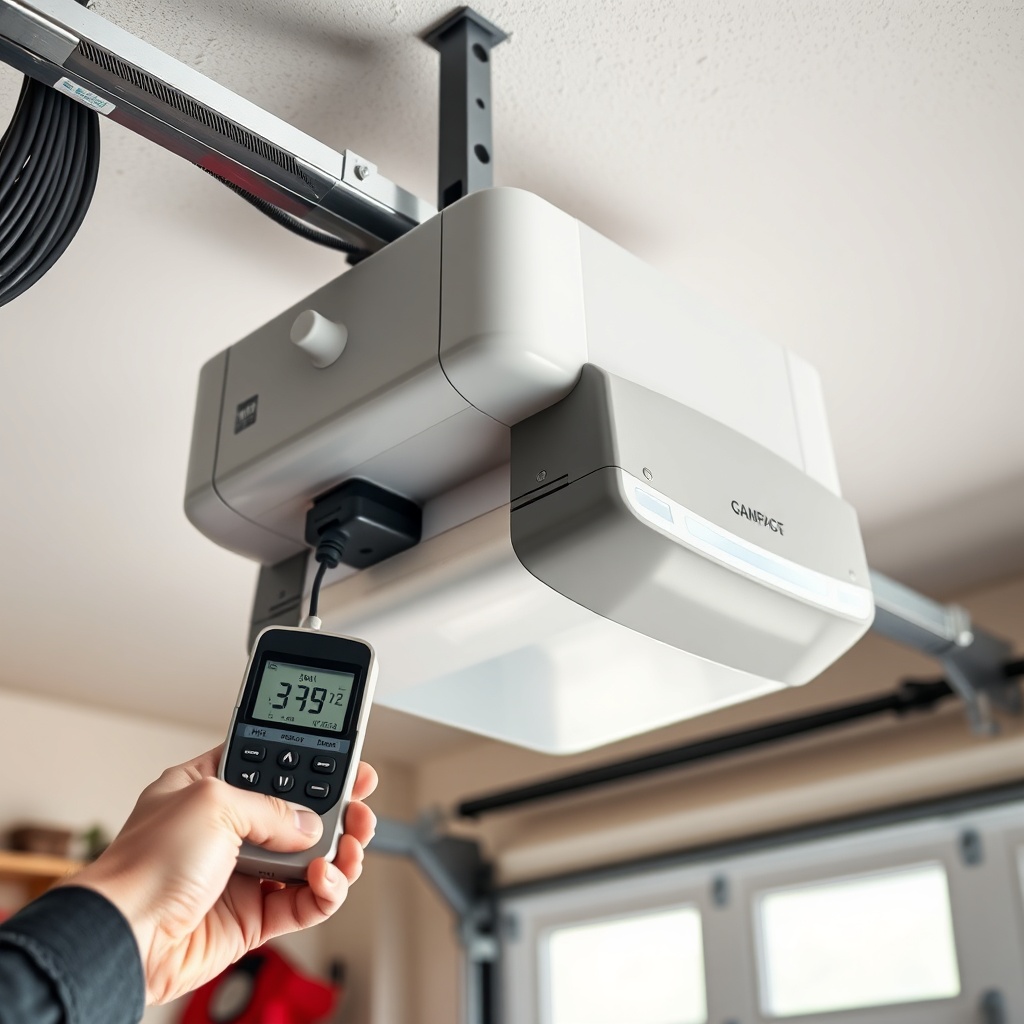
How to Replace a Noisy Genie SilentMax 1200 Motor Assembly
If motor noise is severe and diagnosis points to internal wear, replacing the entire motor assembly is the most reliable fix. Here’s the process for the SilentMax 1200 (model series 2024–2027):
- Disconnect power and release the emergency release cord.
- Remove the motor cover and disconnect wiring harness (note wire positions).
- Unbolt the motor from the rail (four 5/16-inch bolts).
- Install the new motor assembly (part 20422R or equivalent, £95–£120).
- Reconnect wiring and secure all bolts to 10–12 ft-lbs torque.
- Re-lubricate the worm gear with lithium grease before reassembling the cover.
Always test the opener without the door connected first—run it through a full cycle to confirm smooth operation. If the noise returns, the rail itself may be warped, requiring a rail replacement kit (part 37228R, £40–£55).
How to Fix a Squeaking or Chirping Sound in the SilentMax 1200 Motor
A high-pitched squeak or chirp usually indicates metal-on-metal friction somewhere in the drive system. The most common source is the worm gear helix rubbing against the motor shaft splines. To fix:
- Lubricate the worm gear: Apply a small bead of white lithium grease (Garage Door Grease from Genie, part 38886R, about £8) directly onto the worm gear teeth while manually rotating the coupler.
- Check the belt tension: Over-tight belts create squeaking at the pulley. Adjust until you have 1/4-inch deflection.
- Inspect the motor shaft key: A worn key can allow the coupler to wobble, causing chirping. Replace the key (part 36611R, around £3).
If chirping continues after lubrication, the motor bearings may be dry. Some owners have success adding a drop of 3-in-1 oil to the bearing seam, but this is a temporary fix. Plan to replace the motor assembly within 6–12 months.
What Owners Say
Owners of the Genie SilentMax 1200 commonly report that the opener is “quiet for the first year” but develops a low grinding noise after 3–5 years. Many owners fix this by replacing the start capacitor (which costs under £15) rather than the motor. A frequent complaint is that the “silent” branding can be misleading—the motor is quieter than chain-drive openers but not silent. A small but vocal group notes that lubrication every 6–12 months (using white lithium grease) prevents most noise issues entirely. Others report that a loose mounting bracket was the real cause of rattling, not the motor itself. Overall, the 1200 is praised for its reliability, but owners recommend routine maintenance to keep it quiet.
Frequently Asked Questions
1. Can I lubricate the motor directly to reduce noise?
Only the worm gear and rail should be lubricated with white lithium grease. Applying oil to the motor windings can attract dust and cause electrical issues. Use grease specifically for garage door openers.
2. How long does a Genie SilentMax 1200 motor typically last?
With proper maintenance (lubrication, clean sensors, balanced door), the motor can last 10–15 years. Common wear parts like the capacitor and bearings may need attention at 5–8 years.
3. Why does my motor run but the door doesn’t move?
This points to a failed coupler (plastic drive coupling) or a stripped gear. Inspect the coupler for cracks—it’s a £15 part (20422R). Also check the chain/belt for proper engagement.
4. Will a noisy motor damage the door or opener?
Yes—continued operation with grinding or squeaking accelerates wear on the motor bearings and gear train. It can also cause the travel limits to drift, leading to door misalignment.
5. How much does a professional motor repair cost?
Expect £80–£150 for diagnosis and motor replacement (parts included). If the rail requires replacement, add £60–£100. DIY repair saves labour but requires mechanical comfort.
6. Can a failing WiFi module cause motor noise?
No—WiFi issues affect control signals, not motor mechanics. However, if the module is shorting, it may cause erratic operation. Check the Genie SilentMax 1200 WiFi Setup Issues: Solutions & Tips for troubleshooting electrical glitches.