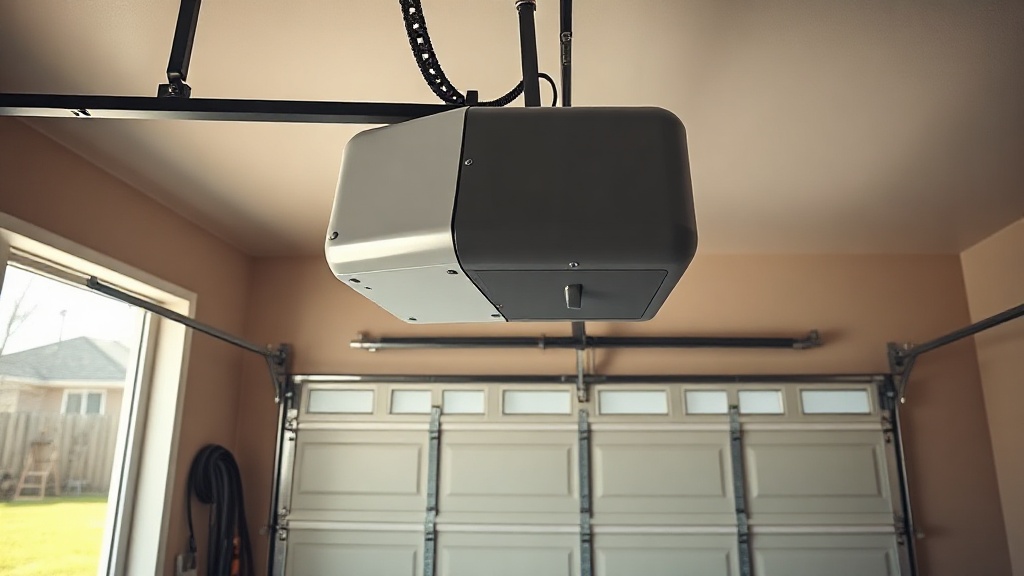
Why Does the Drive Type Matter for the Genie SilentMax 1200?
The Genie SilentMax 1200 is a popular garage door opener known for its quiet operation and robust performance. However, when noise issues arise, the culprit often lies in the drive system—specifically, whether the unit uses a belt drive or a chain drive. Understanding the differences between these two drive types is essential for diagnosing noise problems, planning maintenance, or deciding on replacement parts. This article focuses on opener-motors-drives to help you identify and resolve drive-related noise in your SilentMax 1200.
Whether you hear grinding, rattling, or squeaking, pinpointing the drive type can save you time and money. We will explore common noise symptoms, diagnostic steps, and practical solutions tailored to the Genie SilentMax 1200. For more detailed safety checks, refer to our Genie SilentMax 1200 Safety Sensor Testing: DIY Tutorial.
What Are the Key Differences Between Belt and Chain Drives in the SilentMax 1200?
The Genie SilentMax 1200 is offered in both belt drive and chain drive configurations. The belt drive model (often labeled as “SilentMax 1200 Belt”) uses a reinforced steel-reinforced belt, while the chain drive model uses a traditional metal chain. The primary difference lies in noise generation: belt drives are significantly quieter, making them ideal for attached garages, while chain drives are more durable for heavy-duty use but produce more mechanical clatter.
Another distinction is maintenance. Belt drives require less lubrication and are less prone to stretching, while chain drives need periodic lubrication to prevent wear. Both types use the same motor and rail system, so noise diagnosis often starts with the drive medium.
Here is a comparison table to help you identify your unit:
| Feature | Belt Drive SilentMax 1200 | Chain Drive SilentMax 1200 |
|---|---|---|
| Noise Level | Very quiet (50-55 dB) | Moderate (60-70 dB) |
| Durability | Good for standard doors | Excellent for heavy doors |
| Lubrication Required | Rarely (belt is self-lubricating) | Every 6-12 months |
| Typical Noise Symptoms | Rubbing or squeaking if misaligned | Grinding or rattling from chain slack |
| Replacement Cost (part only) | £40-£60 | £25-£40 |
If you suspect the drive is the source of noise, check the label on the side of the motor unit. For belt drive models, look for “Belt” in the model number. For chain drive, you will see “Chain” or no designation. For motor-level issues, see our Genie SilentMax 1200 Opener Motor Replacement Cost: DIY vs Pro Guide.
How Can I Diagnose Noise from the Genie SilentMax 1200 Drive?
Diagnosing drive noise in the SilentMax 1200 requires a systematic approach. Start by listening carefully during operation. A grinding noise often indicates worn gears or a dry chain, while a squeaking noise may point to a misaligned belt or loose rail connections. Here is a step-by-step diagnostic process:
- Step 1: Identify the drive type – Look at the rail. A flat, wide belt indicates belt drive; a metal chain indicates chain drive.
- Step 2: Check for visible wear – For chain drives, look for rust, excess slack, or missing lubricant. For belt drives, inspect for fraying, cracks, or misalignment on the pulleys.
- Step 3: Perform a manual operation test – Disconnect the opener using the emergency release and move the door manually. If the door moves silently, the noise is likely from the drive system. If the door itself is noisy, lubricate hinges and rollers first.
- Step 4: Listen during operation – Operate the opener and note the noise pattern. A rhythmic clatter could be a loose chain; a high-pitched squeal could be a belt rubbing against the rail.
- Step 5: Inspect the motor and limit switches – Sometimes noise originates from the motor unit. Refer to our Genie SilentMax 1200 Opener Motor Limit Switch Testing: DIY Troubleshooting for guidance.
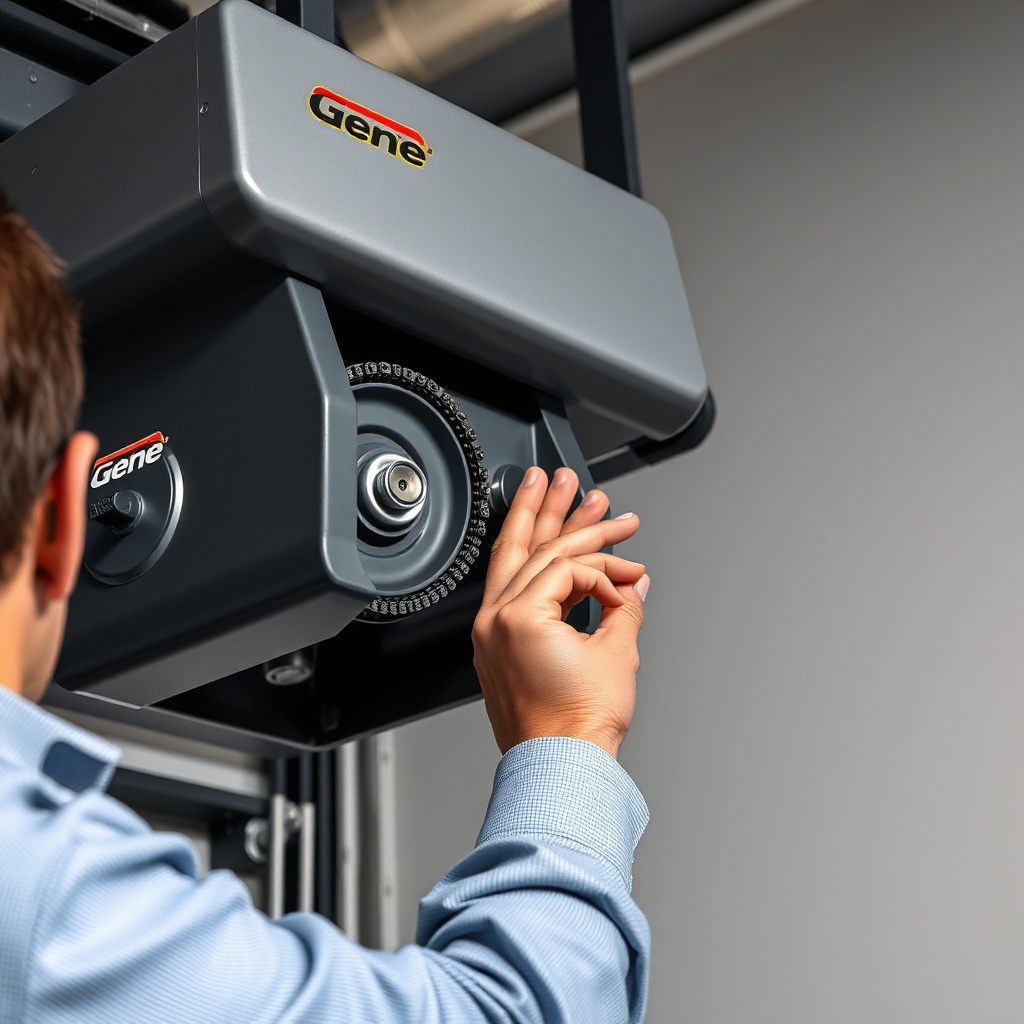
What Causes Squeaking or Squealing in a Genie SilentMax 1200 Belt Drive?
Belt drive units are designed to be quiet, but squeaking or squealing can still occur. Common causes include a misaligned belt, worn pulley bearings, or debris trapped between the belt and the rail. Belt drive systems use a steel-reinforced belt that can become noisy if the belt tension is incorrect or if the belt is rubbing against the rail.
Troubleshooting steps:
- Inspect the belt for visible wear—cracks, fraying, or glazing (shiny spots).
- Check belt tension: a loose belt can slap against the rail, while a too-tight belt can strain the motor. Adjust using the tension adjustment nut on the rail.
- Clean the belt and rail with a dry cloth to remove dirt or debris.
- If squeaking persists, lubricate the belt with a silicone-based spray (not grease). Apply sparingly to the belt’s underside.
If the problem remains, consider replacing the belt drive assembly. For motor-related noises, our Genie SilentMax 1200 Opener Motor Capacitor Replacement: DIY Step-by-Step Guide might help, as a failing capacitor can cause motor whine.
Why Is My Genie SilentMax 1200 Chain Drive Making a Grinding Noise?
Grinding noise in a chain drive SilentMax 1200 is often due to a dry or misaligned chain, worn sprockets, or insufficient lubrication. Chain drives rely on a metal chain that runs over sprockets inside the rail. Over time, the chain can stretch, causing it to skip teeth or rub against the rail, producing a grinding or rattling sound.
Diagnosis and repair:
- First, check the chain tension. A properly tensioned chain should have about ¼ to ½ inch of deflection at the midpoint when pressed firmly.
- Lubricate the chain with a high-quality garage door opener chain lubricant (lithium-based or silicone). Apply a thin, even coat while the door is cycling.
- Inspect the sprockets for wear. If teeth are rounded or missing, replace the sprocket assembly.
- Look for rust or debris buildup on the chain. If necessary, clean with a degreaser and relubricate.
Severity guide:
- Mild grinding – Usually due to lack of lubrication. Apply lubricant; noise often resolves immediately.
- Moderate grinding – Possible chain stretch or slight misalignment. Adjust tension or realign rail sections.
- Severe grinding – Likely worn sprockets or damaged chain. Replacement of chain and sprockets is recommended.
For persistent issues, also check the Genie SilentMax 1200 Opener Motor Limit Switch Testing: DIY Troubleshooting as limit switch problems can cause erratic motor operation that mimics drive noise.
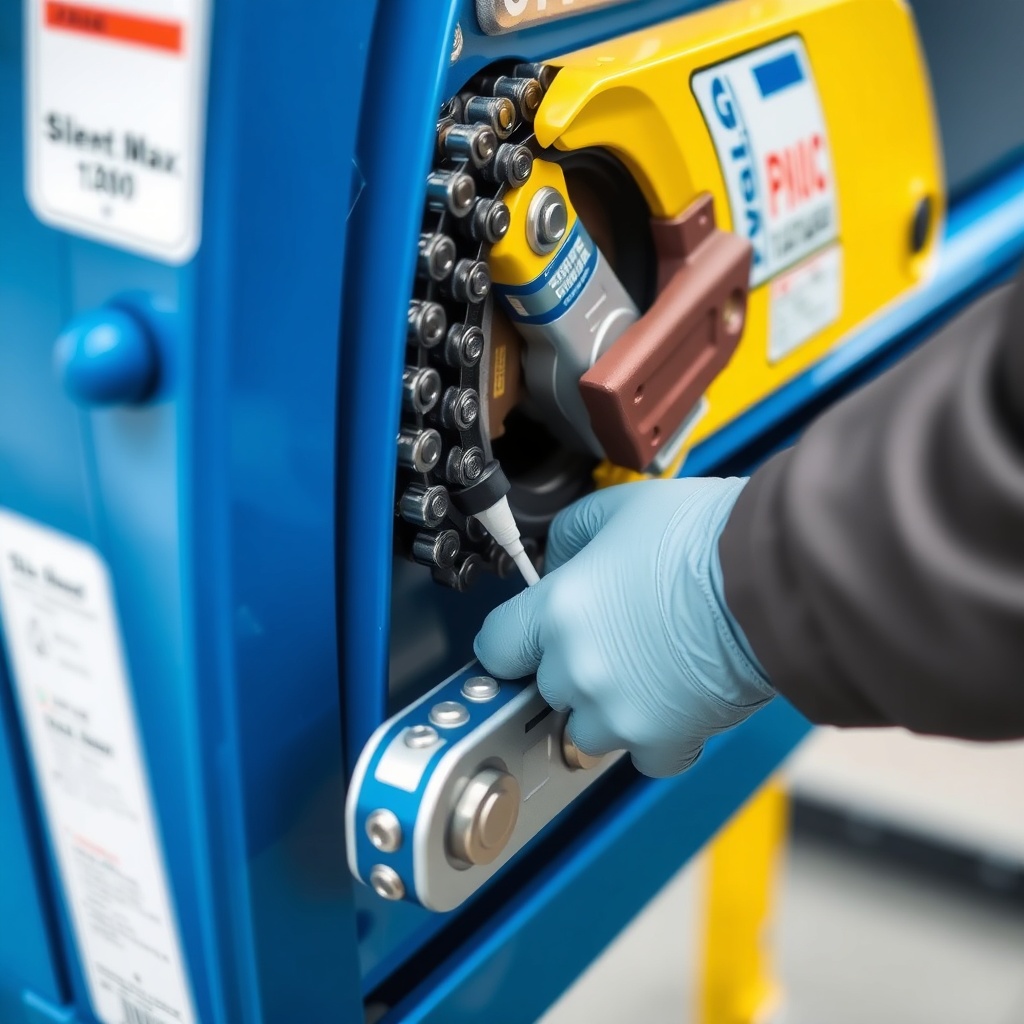
What Owners Say About Genie SilentMax 1200 Drive Noise
Feedback from owners of the Genie SilentMax 1200 reveals common themes regarding drive noise. Many belt drive owners praise the quiet operation, noting that the opener is nearly silent when new. However, some report squeaking after two to three years of use, typically resolved by belt adjustment or replacement. Chain drive owners often mention the need for regular lubrication; some find that annual maintenance keeps the noise minimal, while others replace the chain after five to seven years.
Owners also highlight that noise from the drive system can sometimes be mistaken for motor issues. A frequent comment is that a grinding sound disappears after lubricating the chain, only to return months later. In belt drive models, a persistent squeal may indicate a worn pulley, which requires replacement of the entire belt assembly. Overall, the consensus is that the SilentMax 1200 is a reliable unit, but routine drive maintenance is essential for long-term quiet performance.
For those experiencing remote or connectivity issues alongside drive noise, see our Genie SilentMax 1200 Remote Range Testing: Proximity Troubleshooting Guide to ensure your opener’s electronics are functioning properly.
How Do I Fix Noisy Belt or Chain Drive Without Replacing the Whole Unit?
Often, you can resolve drive noise without replacing the complete opener. Here are specific fixes for each drive type:
For belt drive noise:
- Adjust belt tension: Turn the adjustment nut on the rail until the belt has about 1/8 inch of deflection (similar to a guitar string tension).
- Realign the belt: Ensure the belt sits centered on the pulleys. If skewed, loosen mounting brackets and reposition.
- Lubricate the belt: Apply a dry silicone lubricant to the belt’s underside while the door runs. Avoid over-lubricating.
For chain drive noise:
- Lubricate the chain: Use a proper garage door opener chain lube. Apply during a cycle to distribute evenly.
- Adjust chain tension: Loosen the nut on the rail and move the trolley to achieve proper tension. Retighten.
- Replace the chain if it is excessively stretched or rusted. This is a relatively inexpensive DIY task (chain costs around £25-£40).
In both cases, inspect the rail for dents or bends. A damaged rail can cause noise regardless of the drive type. If the motor unit itself is noisy (humming, clicking), consider checking the capacitor or motor bearings. Our Genie SilentMax 1200 Opener Motor Capacitor Replacement: DIY Step-by-Step Guide provides step-by-step instructions for motor-related noise.
Frequently Asked Questions
Q1: How do I know if my Genie SilentMax 1200 has a belt or chain drive?
Look at the rail. A belt drive model has a flat, wide rubber-like belt inside the rail, while a chain drive has a metal chain. Check the model number on the motor unit (e.g., “1200” for chain, “1200B” for belt).
Q2: Can I convert my SilentMax 1200 from chain to belt drive?
Yes, Genie offers conversion kits that replace the chain rail assembly with a belt rail assembly. The kit includes a new belt, rail, and trolley. This can reduce noise significantly. Costs range from £60 to £100 for the kit.
Q3: Why does my SilentMax 1200 make a loud noise when opening but not closing?
This usually indicates a drive issue on the opening stroke, such as chain slack or belt misalignment. Check tension and lubrication. Also, inspect the limit switch settings—if the door is binding, it can cause extra strain. Refer to our Genie SilentMax 1200 Opener Motor Limit Switch Testing: DIY Troubleshooting for guidance.
Q4: How often should I lubricate the chain on a SilentMax 1200 chain drive?
Genie recommends lubricating the chain every six months for average use. If you use the door multiple times daily, lubricate every three months. Use a dedicated garage door opener lubricant, not WD-40 or greases that attract dirt.
Q5: What is the cost to replace a belt on a Genie SilentMax 1200?
A replacement belt assembly for the SilentMax 1200 costs between £40 and £60. Professional installation adds £60-£100. DIY replacement is straightforward if you have basic tools and follow the manual. For motor-related costs, see our Genie SilentMax 1200 Opener Motor Replacement Cost: DIY vs Pro Guide.
Q6: Can a noisy SilentMax 1200 be fixed without replacing the drive?
Often yes. Start with tension adjustment and lubrication. If noise persists, inspect for worn components like pulleys or sprockets, which are replaceable individually. In many cases, these simple steps restore quiet operation. If the motor unit itself is failing, replacement may be needed, but many drive noises are curable.